Subscribe to our newsletter today
Lorem ipsum dolor sit amet consectetur adipiscing eli mattis sit phasellus mollis sit aliquam sit nullam.


Gas vs. diesel Class A motorhome — honest comparison of purchase price, ride quality, towing capacity, maintenance costs, and which one makes sense for your travel style and budget.
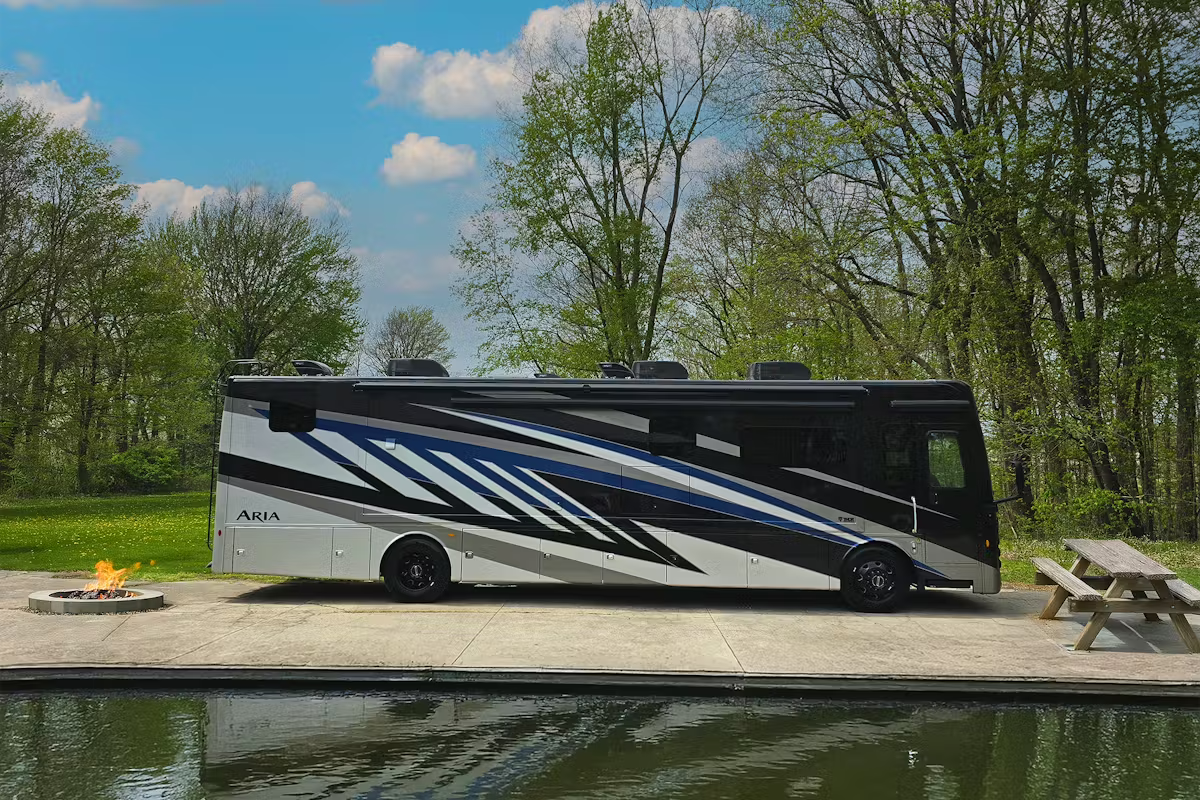
Venenatis sollicitudin posuere elit consequat et enim. Neque tortor amet dictum tempor. Leo facilisis aliquet viverra scelerisque eleifend viverra est. At massa erat vel amet enim laoreet dictum pellentesque. Urna cursus quam pulvinar tellus. Duis fermentum nibh volutpat morbi. Et ac sed ultricies ut nunc sodales lectus.
Et urna ac et maecenas fusce amet. Nibh nec commodo massa sed. Tincidunt porttitor in pharetra egestas sit neque ac lacus. Amet a nunc et cum. Odio at volutpat volutpat in leo eget ipsum diam elementum. Erat magna arcu orci lorem senectus orci fringilla. Tincidunt metus nisl vitae maecenas pretium aliquet.
Quis faucibus massa sit egestas. Sit fermentum est ac pulvinar et sagittis sed sit ut. Quis faucibus aenean nibh vestibulum enim mi sit. Sollicitudin ultrices ultrices in ipsum urna fringilla massa leo. Sapien ultricies vitae rhoncus molestie purus. Urna urna dolor euismod porttitor et. Magna adipiscing dictum et adipiscing mollis feugiat.

Quis faucibus massa sit egestas. Sit fermentum est ac pulvinar et sagittis sed sit ut. Quis faucibus aenean nibh vestibulum enim mi sit. Sollicitudin ultrices ultrices in ipsum urna fringilla massa leo. Sapien ultricies vitae rhoncus molestie purus. Urna urna dolor euismod porttitor et. Magna adipiscing dictum et adipiscing mollis feugiat.
Cursus curabitur euismod vel fermentum sapien non dolor odio vel. Tortor lectus mauris in praesent a tincidunt nam. In aenean odio aliquet pretium viverra elit quis magna. Eget ut risus posuere velit purus nisi nec sollicitudin. Tellus enim interdum neque sit vestibulum lacus. Nam pulvinar a lectus justo aliquet integer amet.
“Sed id mi eget urna facilisis pharetra nunc viverra est at magna maximus consectetur sed nec maximus augue aliquam commodo sem eu.”
Cursus curabitur euismod vel fermentum sapien non dolor odio vel. Tortor lectus mauris in praesent a tincidunt nam. In aenean odio aliquet pretium viverra elit quis magna. Eget ut risus posuere velit purus nisi nec sollicitudin. Tellus enim interdum.
Sed non quis tellus velit orci. Quam sed mauris elementum tempor viverra. Luctus semper risus ipsum id diam praesent. Pretium eget mauris ultrices curabitur sed sem amet. Erat nulla habitant in mattis massa mi adipiscing ullamcorper condimentum. Erat quisque integer tincidunt ac amet tempor vulputate tristique.
Sed non quis tellus velit orci. Quam sed mauris elementum tempor viverra. Luctus semper risus ipsum id diam praesent. Pretium eget mauris ultrices curabitur sed sem amet. Erat nulla habitant in mattis massa mi adipiscing ullamcorper condimentum. Erat quisque integer tincidunt ac amet tempor vulputate tristique.
Sed non quis tellus velit orci. Quam sed mauris elementum tempor viverra. Luctus semper risus ipsum id diam praesent. Pretium eget mauris ultrices curabitur sed sem amet. Erat nulla habitant in mattis massa mi adipiscing ullamcorper condimentum.
A Class A motorhome is the most serious purchase in the RV world. Before you decide which one, you'll face a decision that splits the market cleanly in two: gas or diesel. Get it right and you'll have a rig that fits how you actually travel. Get it wrong and you'll be selling it in two years.
Here's how to think through it honestly.
What you're actually choosing between
Gas Class A motorhomes run a gasoline engine mounted in the front of the coach on a Ford or similar chassis. Diesel Class A motorhomes — called diesel pushers — mount the engine in the rear. That single difference in engine placement drives most of the other differences between the two.
Both will get you anywhere you want to go. The question is what that experience costs and feels like over time.
The case for gas
Lower purchase price — significantly lower. A new gas Class A starts in the $100,000–$175,000 range. A new diesel pusher starts around $250,000 and runs well past $1 million for luxury models. Used gas motorhomes are priced accordingly. For first-time buyers and families who want a serious rig without a serious financing conversation, gas makes the math work.
Lower maintenance costs. Gas engines are serviced at any truck or RV repair facility. Oil changes, filters, and common repairs cost less and take less time. Finding a service center on the road is straightforward. For casual travelers who don't want to think about engine maintenance as a specialty, this matters.
Perfectly capable for most use cases. Weekend campers, seasonal travelers, and families doing a few trips a year don't need a diesel pusher. A gas Class A delivers every comfort feature — full kitchen, residential bathroom, slide-outs, entertainment system, massive storage — without the diesel premium. If you're not logging serious miles or towing heavy vehicles, gas gives you everything you need.
The honest limitations: The front-mounted engine means more cockpit noise and more heat near the driver. Fuel economy averages 6–9 MPG. Towing capacity is lower — typically 5,000–8,000 lbs depending on the model, which rules out towing a large SUV or boat.
The case for diesel
The ride quality difference is real. A diesel pusher on air ride suspension is a genuinely different driving experience than a gas motorhome. The rear-mounted engine eliminates cockpit noise almost entirely. Less driver fatigue on long days matters when you're covering 400 miles. Full-timers who drive seriously and frequently feel this difference on every trip.
More power for mountain terrain and heavy towing. Diesel engines produce significantly more torque at lower RPMs — the kind of power that matters on grades and in mountain terrain. Diesel pushers routinely tow 10,000–15,000 lbs. If a toad vehicle, boat, or cargo trailer is part of your setup, diesel handles it without stress.
Engine longevity. A well-maintained diesel engine can run 300,000–500,000 miles. For full-timers putting serious miles on a rig they plan to live in for years, that longevity changes the long-term cost calculation meaningfully.
Better storage and luxury features. Diesel pushers typically come with larger basement storage bays, better insulation, higher-end interior finishes, and residential-grade appliances. The gap between entry-level diesel and entry-level gas is noticeable the moment you walk through both.
The honest limitations: The purchase price is the obvious one. Beyond that, diesel maintenance requires specialized service — not every mechanic can work on a diesel pusher, and repair wait times at qualified facilities can be longer. DEF fluid systems, air brake maintenance, and larger oil changes add ongoing costs that gas owners don't carry.
Which one is actually right for you
Gas makes sense if:
Diesel makes sense if:
The one thing most buyers skip
Test drive both before you decide. A gas and diesel Class A that look similar on paper feel different at highway speed, on a grade, and on a long day of driving. Most RV dealers will accommodate a real test drive — not a parking lot loop. Ask for one.
The full-timers who switched from gas to diesel after their first rig consistently say the ride quality difference alone was worth the upgrade. The casual campers who bought diesel because it seemed like the better investment and then used the rig four times a year consistently say they'd buy gas next time.
Buy for how you'll actually travel — not for how you imagine you might travel someday.
Lorem ipsum dolor sit amet consectetur adipiscing eli mattis sit phasellus mollis sit aliquam sit nullam.