Subscribe to our newsletter today
Lorem ipsum dolor sit amet consectetur adipiscing eli mattis sit phasellus mollis sit aliquam sit nullam.


How to choose the right size 5th wheel for your family — towing capacity, floor plan selection, campground access, and the questions to answer before you visit a dealership.
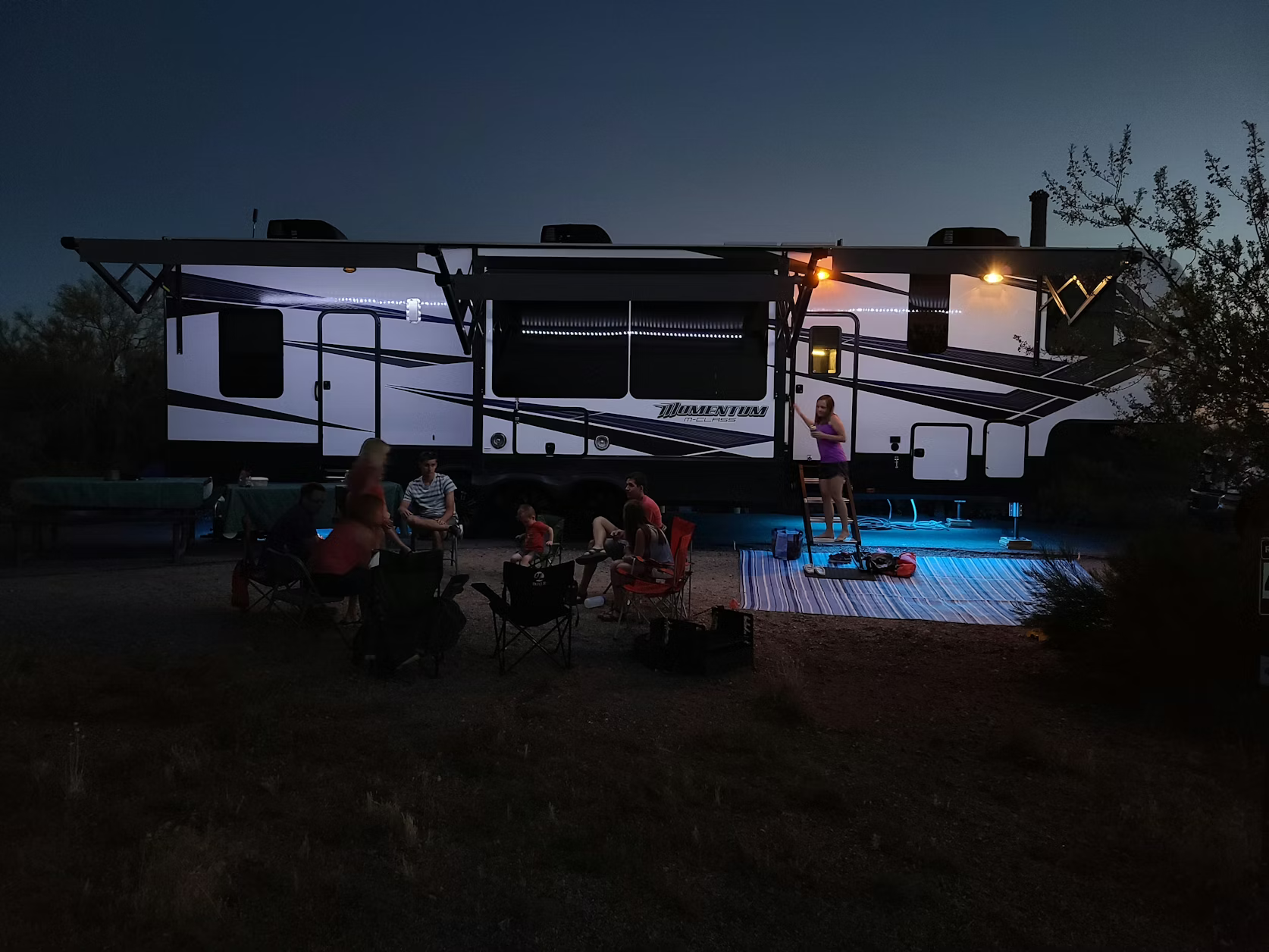
Venenatis sollicitudin posuere elit consequat et enim. Neque tortor amet dictum tempor. Leo facilisis aliquet viverra scelerisque eleifend viverra est. At massa erat vel amet enim laoreet dictum pellentesque. Urna cursus quam pulvinar tellus. Duis fermentum nibh volutpat morbi. Et ac sed ultricies ut nunc sodales lectus.
Et urna ac et maecenas fusce amet. Nibh nec commodo massa sed. Tincidunt porttitor in pharetra egestas sit neque ac lacus. Amet a nunc et cum. Odio at volutpat volutpat in leo eget ipsum diam elementum. Erat magna arcu orci lorem senectus orci fringilla. Tincidunt metus nisl vitae maecenas pretium aliquet.
Quis faucibus massa sit egestas. Sit fermentum est ac pulvinar et sagittis sed sit ut. Quis faucibus aenean nibh vestibulum enim mi sit. Sollicitudin ultrices ultrices in ipsum urna fringilla massa leo. Sapien ultricies vitae rhoncus molestie purus. Urna urna dolor euismod porttitor et. Magna adipiscing dictum et adipiscing mollis feugiat.

Quis faucibus massa sit egestas. Sit fermentum est ac pulvinar et sagittis sed sit ut. Quis faucibus aenean nibh vestibulum enim mi sit. Sollicitudin ultrices ultrices in ipsum urna fringilla massa leo. Sapien ultricies vitae rhoncus molestie purus. Urna urna dolor euismod porttitor et. Magna adipiscing dictum et adipiscing mollis feugiat.
Cursus curabitur euismod vel fermentum sapien non dolor odio vel. Tortor lectus mauris in praesent a tincidunt nam. In aenean odio aliquet pretium viverra elit quis magna. Eget ut risus posuere velit purus nisi nec sollicitudin. Tellus enim interdum neque sit vestibulum lacus. Nam pulvinar a lectus justo aliquet integer amet.
“Sed id mi eget urna facilisis pharetra nunc viverra est at magna maximus consectetur sed nec maximus augue aliquam commodo sem eu.”
Cursus curabitur euismod vel fermentum sapien non dolor odio vel. Tortor lectus mauris in praesent a tincidunt nam. In aenean odio aliquet pretium viverra elit quis magna. Eget ut risus posuere velit purus nisi nec sollicitudin. Tellus enim interdum.
Sed non quis tellus velit orci. Quam sed mauris elementum tempor viverra. Luctus semper risus ipsum id diam praesent. Pretium eget mauris ultrices curabitur sed sem amet. Erat nulla habitant in mattis massa mi adipiscing ullamcorper condimentum. Erat quisque integer tincidunt ac amet tempor vulputate tristique.
Sed non quis tellus velit orci. Quam sed mauris elementum tempor viverra. Luctus semper risus ipsum id diam praesent. Pretium eget mauris ultrices curabitur sed sem amet. Erat nulla habitant in mattis massa mi adipiscing ullamcorper condimentum. Erat quisque integer tincidunt ac amet tempor vulputate tristique.
Sed non quis tellus velit orci. Quam sed mauris elementum tempor viverra. Luctus semper risus ipsum id diam praesent. Pretium eget mauris ultrices curabitur sed sem amet. Erat nulla habitant in mattis massa mi adipiscing ullamcorper condimentum.
Buying a 5th wheel that's too small means you're climbing over each other on day three. Too large means campgrounds you can't get into, roads you can't navigate, and a truck that's working harder than it should. Getting the size right before you buy saves you from the most expensive mistake in RV ownership.
Here's how to think through it correctly.
1. Start with your truck — not the 5th wheel
Most families make the mistake of falling in love with a floor plan first and then trying to make their truck work. Do it the other way around.
Find these numbers before you look at a single 5th wheel:
The number that limits you most is payload — not tow rating. Your truck's payload has to absorb the pin weight of the 5th wheel plus passengers, gear, and fuel. A truck rated to tow 20,000 lbs can still be overloaded on payload with the wrong 5th wheel.
As a general rule: stay at least 10–15% below your truck's limits, not at them. Towing at maximum capacity is legal — it's also how you end up with brake fade on a mountain pass.
Useful tool: Bring your truck to a CAT scale before you shop. Knowing your actual loaded truck weight gives you a real baseline rather than a calculated guess.
2. Match the floor plan to how your family actually lives
Square footage numbers are misleading in 5th wheels. A 38-foot rig with a bad floor plan feels smaller than a 32-foot rig with a smart layout. Walk through models with this question in mind: what does 7am look like in here?
3. Know where you're going before you size up
A 42-foot 5th wheel is comfortable. It's also excluded from a significant percentage of state park campgrounds, most national park sites, and any road with a tight switchback or low bridge.
Before you decide on length, look up the campgrounds you actually want to visit:
The RVers who end up happiest with their size choice are usually the ones who sized down slightly from what they thought they wanted. The extra 4 feet of living space rarely compensates for the sites you can't access.
4. Walk through as many floor plans as possible in person
Floor plan diagrams lie. A bathroom that looks spacious on paper can be genuinely unusable for anyone over 5'10". A kitchen island that looks functional in the brochure blocks traffic flow in real life.
At RV shows and dealerships:
RV shows are the best place to do this efficiently. You can walk through 20 floor plans in a few hours rather than driving to multiple dealerships. The Tampa, Hershey, and Pomona shows are the largest — most regions have at least one annual show worth attending.
5. Use online tools to narrow down before you go in person
You can eliminate a lot of options before you ever visit a dealership:
The weight question matters most: use the manufacturer's UVW (Unloaded Vehicle Weight) plus 1,500–2,000 lbs for a realistic loaded weight estimate. If that number approaches your truck's limits, size down.
The question that clarifies everything
Before you finalize any decision, answer this honestly: are you weekend camping, seasonal camping, or full-timing?
The right 5th wheel is the one you can tow confidently, park at the places you want to go, and live in without friction. Those three criteria narrow the field faster than any floor plan comparison.
Lorem ipsum dolor sit amet consectetur adipiscing eli mattis sit phasellus mollis sit aliquam sit nullam.