Subscribe to our newsletter today
Lorem ipsum dolor sit amet consectetur adipiscing eli mattis sit phasellus mollis sit aliquam sit nullam.


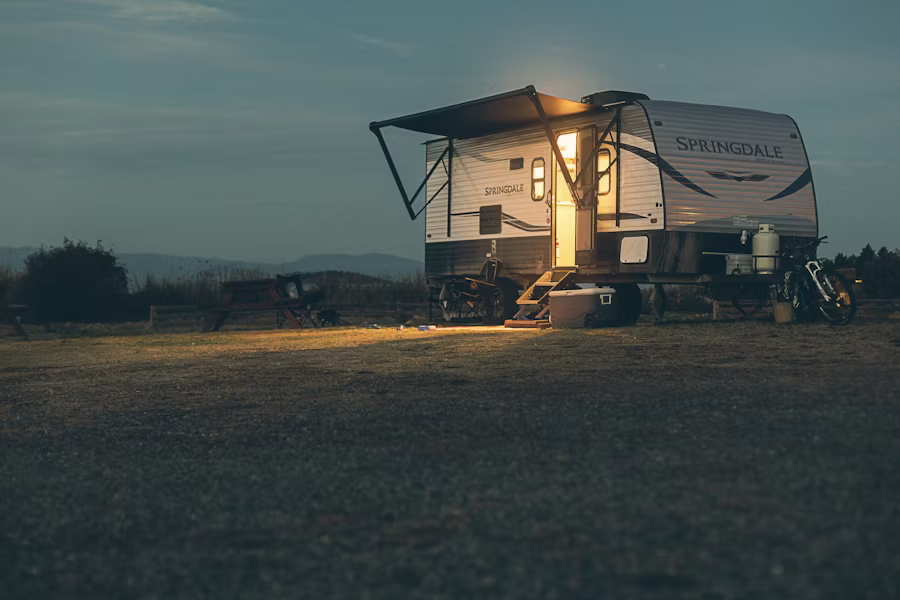
How to choose the right size travel trailer for your family — tow vehicle limits, floor plan selection, campground access, and what experienced RVers wish they'd known before buying.
Venenatis sollicitudin posuere elit consequat et enim. Neque tortor amet dictum tempor. Leo facilisis aliquet viverra scelerisque eleifend viverra est. At massa erat vel amet enim laoreet dictum pellentesque. Urna cursus quam pulvinar tellus. Duis fermentum nibh volutpat morbi. Et ac sed ultricies ut nunc sodales lectus.
Et urna ac et maecenas fusce amet. Nibh nec commodo massa sed. Tincidunt porttitor in pharetra egestas sit neque ac lacus. Amet a nunc et cum. Odio at volutpat volutpat in leo eget ipsum diam elementum. Erat magna arcu orci lorem senectus orci fringilla. Tincidunt metus nisl vitae maecenas pretium aliquet.
Quis faucibus massa sit egestas. Sit fermentum est ac pulvinar et sagittis sed sit ut. Quis faucibus aenean nibh vestibulum enim mi sit. Sollicitudin ultrices ultrices in ipsum urna fringilla massa leo. Sapien ultricies vitae rhoncus molestie purus. Urna urna dolor euismod porttitor et. Magna adipiscing dictum et adipiscing mollis feugiat.

Quis faucibus massa sit egestas. Sit fermentum est ac pulvinar et sagittis sed sit ut. Quis faucibus aenean nibh vestibulum enim mi sit. Sollicitudin ultrices ultrices in ipsum urna fringilla massa leo. Sapien ultricies vitae rhoncus molestie purus. Urna urna dolor euismod porttitor et. Magna adipiscing dictum et adipiscing mollis feugiat.
Cursus curabitur euismod vel fermentum sapien non dolor odio vel. Tortor lectus mauris in praesent a tincidunt nam. In aenean odio aliquet pretium viverra elit quis magna. Eget ut risus posuere velit purus nisi nec sollicitudin. Tellus enim interdum neque sit vestibulum lacus. Nam pulvinar a lectus justo aliquet integer amet.
“Sed id mi eget urna facilisis pharetra nunc viverra est at magna maximus consectetur sed nec maximus augue aliquam commodo sem eu.”
Cursus curabitur euismod vel fermentum sapien non dolor odio vel. Tortor lectus mauris in praesent a tincidunt nam. In aenean odio aliquet pretium viverra elit quis magna. Eget ut risus posuere velit purus nisi nec sollicitudin. Tellus enim interdum.
Sed non quis tellus velit orci. Quam sed mauris elementum tempor viverra. Luctus semper risus ipsum id diam praesent. Pretium eget mauris ultrices curabitur sed sem amet. Erat nulla habitant in mattis massa mi adipiscing ullamcorper condimentum. Erat quisque integer tincidunt ac amet tempor vulputate tristique.
Sed non quis tellus velit orci. Quam sed mauris elementum tempor viverra. Luctus semper risus ipsum id diam praesent. Pretium eget mauris ultrices curabitur sed sem amet. Erat nulla habitant in mattis massa mi adipiscing ullamcorper condimentum. Erat quisque integer tincidunt ac amet tempor vulputate tristique.
Sed non quis tellus velit orci. Quam sed mauris elementum tempor viverra. Luctus semper risus ipsum id diam praesent. Pretium eget mauris ultrices curabitur sed sem amet. Erat nulla habitant in mattis massa mi adipiscing ullamcorper condimentum.
A travel trailer that's slightly too small ruins trips. One that's too large limits where you can go and makes every move stressful. The right size is the one you can tow confidently with your current vehicle, park at the campgrounds you actually want to visit, and live in without everyone getting on each other's nerves by day two.
Here's how to work that out before you spend anything.
1. Start with your tow vehicle — not the trailer
This is the same mistake 5th wheel buyers make and it's even more common with travel trailers because the entry price is lower and the temptation to size up is stronger.
Pull these numbers before you look at a single floor plan:
The number that catches most buyers off guard is payload. Everything inside your tow vehicle — passengers, gear, food, fuel — comes out of payload before you add trailer tongue weight. A family of four with gear can eat through 800–1,000 lbs of payload before they hook up anything.
Practical rule: stay at least 10–15% below your tow vehicle's limits under real loaded conditions, not the theoretical maximum. The difference between towing at 85% capacity and 100% capacity is significant in braking distance, handling, and long-term drivetrain wear.
If you're not sure what your vehicle can actually handle: take it to a CAT scale loaded the way it would be for a trip. Real numbers beat calculated estimates every time.
2. Match the floor plan to how your family actually uses space
Length is a proxy for space — but floor plan matters more than length. A well-designed 26-foot trailer genuinely lives larger than a poorly planned 32-foot one.
Think through your specific situation:
3. Know where you're going before you commit to a length
The most common regret among travel trailer owners isn't buying too small — it's buying too large for the places they actually want to go.
Before you decide on a maximum length:
The pattern that plays out repeatedly: families buy the largest trailer their truck can handle, then discover their favorite campgrounds have a 30-foot limit and they're sitting at 34. Sizing to your destinations rather than your tow vehicle's maximum capacity is the smarter constraint.
4. Walk through floor plans in person — with your whole family
This cannot be substituted with online research. Floor plan diagrams don't tell you that the bathroom door hits the toilet when you open it, that the bunk ladder is steeper than your youngest can handle, or that the kitchen counter is two feet shorter than it looks in the photo.
What to actually evaluate when you walk through:
RV shows are the most efficient way to do this. Walking 15–20 floor plans in a single day gives you a calibration for what you actually prefer that no amount of online research replicates. Most major regions have at least one annual show — it's worth the trip before you make a five-figure purchase.
5. Think about where you'll be in three years, not just today
Your first travel trailer is rarely your last — but buying with some forward planning reduces how quickly you outgrow it.
Questions worth sitting with:
The counterintuitive advice from experienced RVers: most people who bought slightly smaller than they thought they wanted don't regret it. Most people who bought the largest thing their truck could handle do — eventually.
Easier towing, better campground access, and lower stress on every move are real quality-of-life factors that show up on every single trip. Extra square footage shows up mostly when you're parked.
The question that focuses everything
How often will you move? Weekend campers who stay at one site for two nights need different things than families doing two-week road trips with a new campground every night.
Frequent movers: prioritize towability, maneuverability, and campground access. Size down.
Base campers who set up and stay: prioritize living comfort and storage. More length makes sense.
The trailer that makes you want to use it is the right trailer. That's the whole answer.
Lorem ipsum dolor sit amet consectetur adipiscing eli mattis sit phasellus mollis sit aliquam sit nullam.