Subscribe to our newsletter today
Lorem ipsum dolor sit amet consectetur adipiscing eli mattis sit phasellus mollis sit aliquam sit nullam.
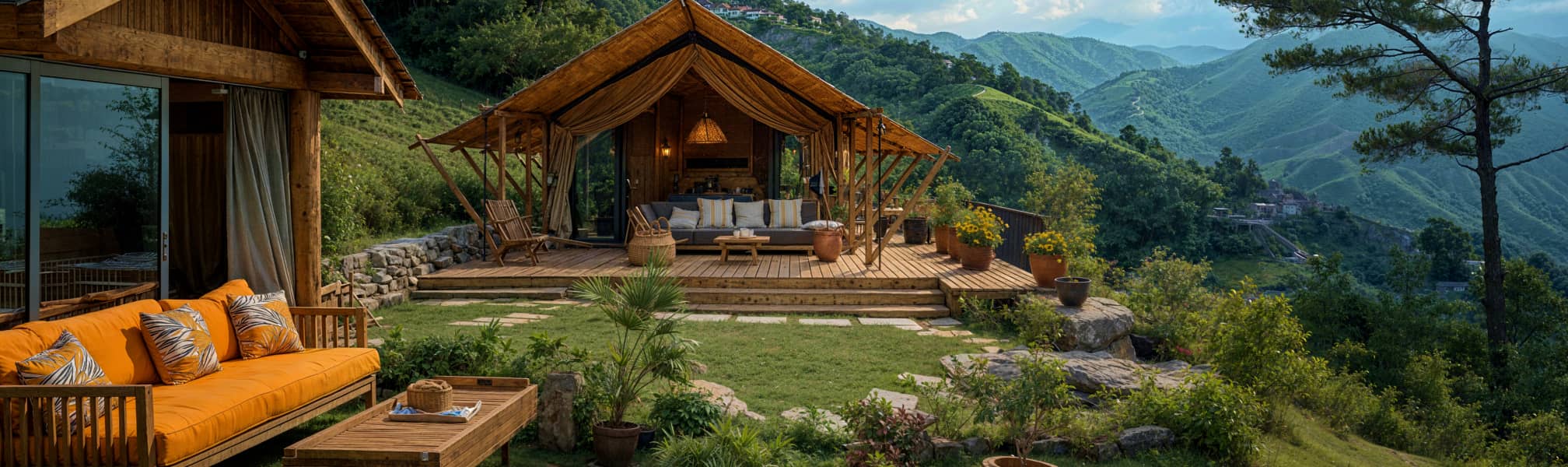

Northern California RV road trip — Lassen Volcanic National Park, Mount Shasta, Highway 299 through the Trinity Alps, and the Redwoods with campground recommendations and practical tips.
Venenatis sollicitudin posuere elit consequat et enim. Neque tortor amet dictum tempor. Leo facilisis aliquet viverra scelerisque eleifend viverra est. At massa erat vel amet enim laoreet dictum pellentesque. Urna cursus quam pulvinar tellus. Duis fermentum nibh volutpat morbi. Et ac sed ultricies ut nunc sodales lectus.
Et urna ac et maecenas fusce amet. Nibh nec commodo massa sed. Tincidunt porttitor in pharetra egestas sit neque ac lacus. Amet a nunc et cum. Odio at volutpat volutpat in leo eget ipsum diam elementum. Erat magna arcu orci lorem senectus orci fringilla. Tincidunt metus nisl vitae maecenas pretium aliquet.
Quis faucibus massa sit egestas. Sit fermentum est ac pulvinar et sagittis sed sit ut. Quis faucibus aenean nibh vestibulum enim mi sit. Sollicitudin ultrices ultrices in ipsum urna fringilla massa leo. Sapien ultricies vitae rhoncus molestie purus. Urna urna dolor euismod porttitor et. Magna adipiscing dictum et adipiscing mollis feugiat.

Quis faucibus massa sit egestas. Sit fermentum est ac pulvinar et sagittis sed sit ut. Quis faucibus aenean nibh vestibulum enim mi sit. Sollicitudin ultrices ultrices in ipsum urna fringilla massa leo. Sapien ultricies vitae rhoncus molestie purus. Urna urna dolor euismod porttitor et. Magna adipiscing dictum et adipiscing mollis feugiat.
Cursus curabitur euismod vel fermentum sapien non dolor odio vel. Tortor lectus mauris in praesent a tincidunt nam. In aenean odio aliquet pretium viverra elit quis magna. Eget ut risus posuere velit purus nisi nec sollicitudin. Tellus enim interdum neque sit vestibulum lacus. Nam pulvinar a lectus justo aliquet integer amet.
“Sed id mi eget urna facilisis pharetra nunc viverra est at magna maximus consectetur sed nec maximus augue aliquam commodo sem eu.”
Cursus curabitur euismod vel fermentum sapien non dolor odio vel. Tortor lectus mauris in praesent a tincidunt nam. In aenean odio aliquet pretium viverra elit quis magna. Eget ut risus posuere velit purus nisi nec sollicitudin. Tellus enim interdum.
Sed non quis tellus velit orci. Quam sed mauris elementum tempor viverra. Luctus semper risus ipsum id diam praesent. Pretium eget mauris ultrices curabitur sed sem amet. Erat nulla habitant in mattis massa mi adipiscing ullamcorper condimentum. Erat quisque integer tincidunt ac amet tempor vulputate tristique.
Sed non quis tellus velit orci. Quam sed mauris elementum tempor viverra. Luctus semper risus ipsum id diam praesent. Pretium eget mauris ultrices curabitur sed sem amet. Erat nulla habitant in mattis massa mi adipiscing ullamcorper condimentum. Erat quisque integer tincidunt ac amet tempor vulputate tristique.
Sed non quis tellus velit orci. Quam sed mauris elementum tempor viverra. Luctus semper risus ipsum id diam praesent. Pretium eget mauris ultrices curabitur sed sem amet. Erat nulla habitant in mattis massa mi adipiscing ullamcorper condimentum.
Mount Shasta is a 14,179-foot active stratovolcano in the southern Cascades — the second highest volcanic peak in the contiguous United States after Mount Rainier. It's visible from over 100 miles away and dominates the northern California landscape in every direction. The small town of Mount Shasta at its base has developed a reputation for spirituality and outdoor adventure in equal measure.
Getting there with an RV
Interstate 5 runs directly past Mount Shasta and the town is easily accessible from the freeway. The mountain is visible from I-5 for nearly 100 miles approaching from the south — the first clear view is one of the great roadside moments in California driving.
Mount Shasta town
The town of Mount Shasta sits at 3,600 feet on the southwestern flank of the volcano. It's small — about 3,000 people — with a main street of outdoor gear shops, restaurants, and an unusually high concentration of spiritual retreat centers and crystal shops reflecting the mountain's reputation as an energy vortex in new age traditions.
Whatever your views on energy vortexes, the mountain is genuinely extraordinary and the town is a pleasant base for exploring the area.
Fifth Season Sports — the best outdoor gear shop in town for trail conditions, climbing beta, and equipment rental.
Berryvale Grocery — an excellent natural foods store for stocking provisions before heading into the mountains.
Black Bear Diner — the original location of the regional chain. Good comfort food, large portions, bear-themed decor. The breakfast is worth stopping for.
Climbing Mount Shasta
Mount Shasta is one of the most climbed glaciated peaks in the country — the standard route on Avalanche Gulch is non-technical in good conditions but requires ice axe, crampons, and experience on steep snow. Guided climbs are available through Shasta Mountain Guides. The summit requires a wilderness permit — available at the Fifth Season or online through the Forest Service.
Most RVers experience the mountain from below and from the Everitt Memorial Highway rather than attempting the summit. The drive alone is worth it.
Everitt Memorial Highway
A paved road climbing from the town of Mount Shasta to Bunny Flat at 6,950 feet — the main trailhead for summit climbers. The drive delivers increasingly dramatic views of the mountain above and the surrounding landscape below. In winter it's a ski touring destination. In summer the wildflower meadows around Bunny Flat are excellent.
Most RVs can reach the lower sections comfortably — check current road conditions for the upper switchbacks with larger rigs.
Panther Meadows
Just below the treeline at 7,400 feet — accessible from the Everitt Memorial Highway — a high alpine meadow considered sacred by several Native American tribes. The meadow is surrounded by old-growth whitebark pine and the views of the upper mountain from the meadow edge are exceptional. A short trail loops through the meadow. Walk quietly and respectfully.
Castle Crags State Park
15 miles south of Mount Shasta on Interstate 5, Castle Crags State Park protects a dramatic formation of ancient granite spires rising 6,000 feet above the Sacramento River canyon. The crags are geologically distinct from the surrounding volcanic landscape — an older intrusion of granite pushed up through the volcanic rock.
Castle Crags Trail Difficulty: Strenuous Distance: 5.5 miles round trip
Climbs steeply from the campground to the base of the crags with views of Mount Shasta behind you and the spires above. One of the best hikes in the northern California mountains with dramatic geology throughout.
Camping near Mount Shasta:
Mount Shasta City Park Campground — basic camping in the town of Mount Shasta. Convenient for town access and mountain views.
Castle Crags State Park Campground — full hookups in a forested setting below the crags with Sacramento River access. One of the best state park campgrounds in northern California.
Book on Reserve America → [affiliate link]
McCloud RV Park — in the historic mill town of McCloud east of Mount Shasta. Full hookups, charming small town setting, access to the McCloud River and its three waterfalls.
Book on Campspot → [affiliate link]
McCloud and the McCloud River
McCloud is a former company mill town 10 miles east of the freeway that has preserved its historic character unusually well. The McCloud River below the town drops through three distinct waterfalls — Lower, Middle, and Upper McCloud Falls — accessible by a 4-mile trail along the river.
McCloud River Falls Trail Difficulty: Easy to moderate Distance: 4 miles round trip to all three falls
One of the best waterfall hikes in northern California. The three falls are each distinct — Lower Falls is wide and accessible, Middle Falls drops into a large pool perfect for swimming in summer, Upper Falls is narrower and more dramatic. The river trail between them passes through old-growth forest along a crystal clear river. Do this hike.
Lake Siskiyou
A reservoir just west of Mount Shasta with a full-service resort and campground. Swimming, kayaking, and fishing with Shasta dominating the view to the east. One of the best family camping destinations in the area.
Book on Campspot → [affiliate link]
Highway 299 — The Trinity Alps crossing
Highway 299 runs 180 miles west from Redding through the Trinity Alps to Arcata on the coast — one of the great underrated scenic drives in California. The road climbs through oak woodland into the Shasta-Trinity National Forest, crosses the Trinity Alps over a series of mountain passes, and descends through redwood forest to the Pacific.
The highway is two-lane, winding, and beautiful throughout. Most RVs handle it without issue but the road demands attention — there are no services for long stretches and some sections have steep grades. Fill fuel in Redding before you start and don't rely on finding gas until Willow Creek or Arcata.
Shasta Lake
Just north of Redding, Shasta Lake is the largest reservoir in California — formed by Shasta Dam on the Sacramento River. The lake has 365 miles of shoreline with excellent fishing, houseboating, and camping. The stalactite formations at Lake Shasta Caverns are worth a stop if you have time.
Weaverville
The main town in Trinity County — a remarkably well-preserved Gold Rush era downtown with a state historic park protecting the Joss House, a Taoist temple built in 1874 that's the oldest continuously used Chinese temple in California. The Trinity Alps Wilderness begins just north of town with some of the best backpacking in northern California.
Trinity Lake
A large reservoir west of Weaverville in the Trinity Alps. Excellent fishing for bass and trout, swimming in summer, and dramatic mountain scenery. Several campgrounds with hookups on the lakeshore.
Book on Recreation.gov → [affiliate link]
Willow Creek
A small town in the lower Trinity River canyon — the self-proclaimed Bigfoot capital of the world, which is either a reason to stop or a reason to drive through depending on your views. The Bigfoot museum is free and genuinely entertaining. The Trinity River here is excellent for summer swimming.
The Redwoods
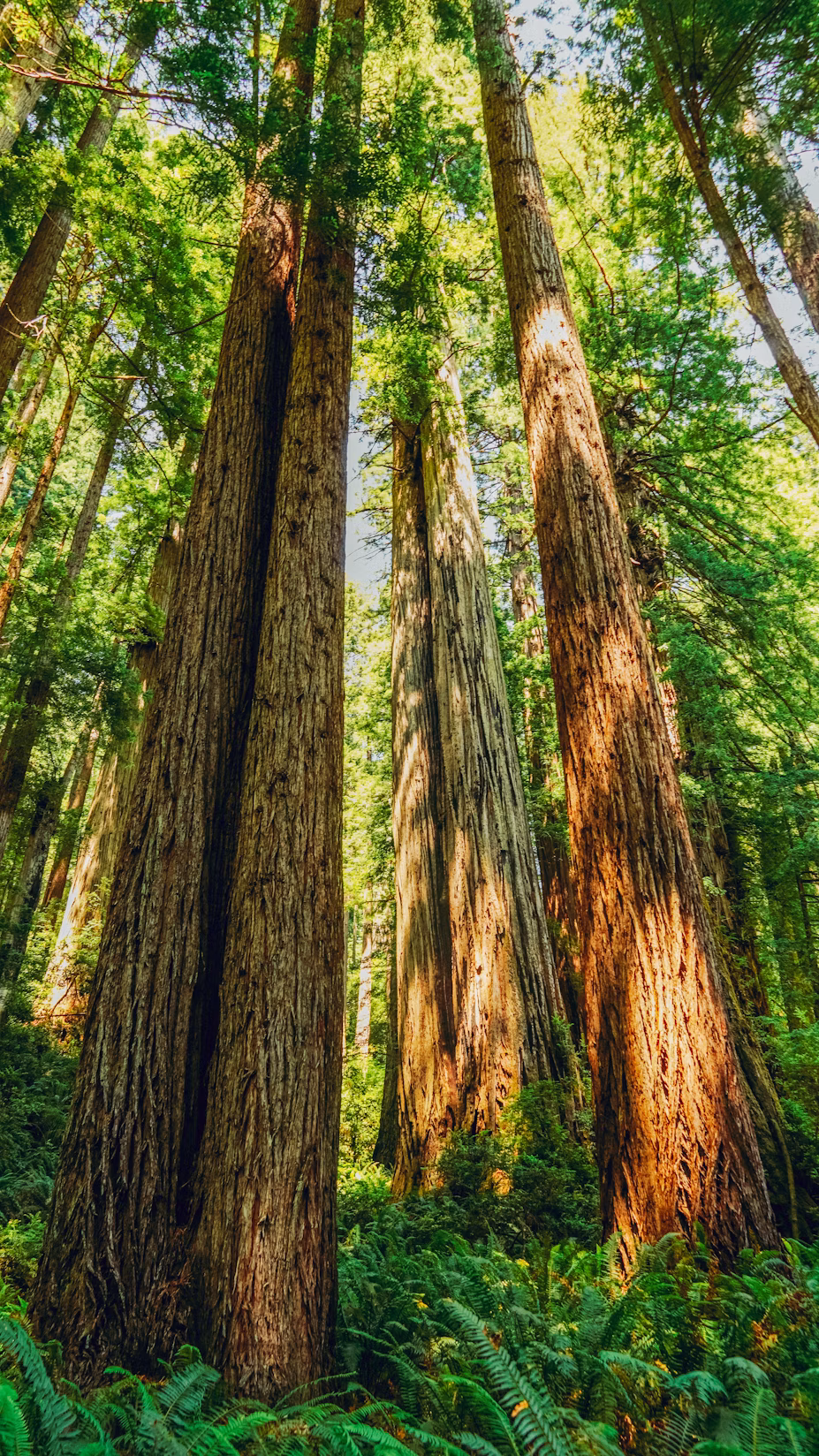
The coast redwood — Sequoia sempervirens — is the tallest tree species on earth. Individual trees exceed 380 feet in height, 20 feet in diameter, and 2,000 years in age. They grow only in a narrow coastal fog belt from Big Sur to the Oregon border where the marine layer provides the moisture they need.
The best remaining old-growth redwood forests are in the northern California coast — protected in a patchwork of Redwood National Park and three California state parks: Prairie Creek Redwoods, Del Norte Coast Redwoods, and Jedediah Smith Redwoods. They're managed jointly and experienced together.
Getting there with an RV
Highway 101 runs through the heart of the redwood parks between Eureka and Crescent City. The main redwood groves are accessible directly from the highway with large parking areas. Some of the most dramatic grove experiences require driving the Avenue of the Giants — a 31-mile alternate route on the old highway through Humboldt Redwoods State Park south of the national park.
RV size matters in the redwoods. Several of the most dramatic groves have size restrictions on the access roads — the Newton B. Drury Scenic Parkway through Prairie Creek Redwoods is restricted to vehicles under 24 feet. Larger rigs need to park at the main trailheads and hike in or use a tow vehicle for these sections.
Humboldt Redwoods State Park and the Avenue of the Giants
South of the national park, Humboldt Redwoods protects the largest remaining contiguous old-growth coast redwood forest in the world. The Avenue of the Giants — 31 miles of the old Highway 101 through the heart of the park — is one of the great scenic drives in California.
Founders Grove — a short loop trail through some of the largest trees in the park. The Founders Tree at 346 feet was once considered the world's tallest before being surpassed. The fallen Dyerville Giant — 362 feet long on the ground — gives you a sense of scale that standing trees don't quite convey.
Rockefeller Forest — the largest old-growth redwood forest in the world, accessible from the Avenue of the Giants via a short spur road. Walk into the forest on the Flat Iron Tree Loop and stand in a grove of trees that were old when Columbus arrived. The silence and the scale together create an experience unlike anything else.
Camping at Humboldt Redwoods:
Burlington Campground — the main campground in Humboldt Redwoods with full hookups. Located in a redwood grove directly on the Avenue of the Giants.
Book on Reserve America → [affiliate link]
Prairie Creek Redwoods State Park
Prairie Creek is the gem of the northern redwood parks — old-growth forest, open prairies where Roosevelt elk graze, and Fern Canyon, one of the most extraordinary natural places in California.
Fern Canyon
A narrow canyon carved by Home Creek through coastal bluffs — the walls on both sides are covered floor to ceiling in five-finger ferns creating a green corridor unlike anything else in the state. The canyon was used as a filming location for Jurassic Park 2 and the Lost World — it looks prehistoric because it essentially is.
Difficulty: Easy Distance: 0.7 miles loop
The trail crosses the creek multiple times on stepping stones — wear waterproof footwear or accept wet feet. The canyon is accessible year-round but the creek runs higher in spring. One of the most extraordinary short walks in California.
Access: Gold Bluffs Beach Road from Highway 101. The road is unpaved and has a vehicle width restriction — vehicles over 8 feet wide are not permitted. Most RVs cannot access Fern Canyon directly. Leave the rig at Prairie Creek visitor center and drive to the canyon in your tow vehicle.
Elk Prairie
An open meadow along Highway 101 within Prairie Creek Redwoods where a herd of Roosevelt elk — the largest subspecies of elk in North America — grazes year-round. Elk are commonly seen from the road and from the campground. Sunrise and sunset are the best times. Keep your distance — these are large wild animals and the bulls during rut in September and October are unpredictable.
James Irvine Trail and Miners Ridge Loop Difficulty: Moderate Distance: 12 miles loop
The best full-day hike in Prairie Creek — through the heart of the old-growth forest from the visitor center to Fern Canyon and back via Miners Ridge. If you can only do one long hike in the redwoods, this is the one.
Camping at Prairie Creek:
Elk Prairie Campground — inside the park in a redwood grove adjacent to the elk meadow. Some sites with hookups. Book well in advance.
Book on Reserve America → [affiliate link]
Gold Bluffs Beach Campground — on the beach below the coastal bluffs with direct access to Fern Canyon. Some of the most dramatic camping in California — redwood forest behind you, Pacific surf in front. No hookups. The access road width restriction means this campground is for smaller rigs only.
Book on Reserve America → [affiliate link]
Jedediah Smith Redwoods State Park
The northernmost and most pristine of the redwood parks — adjacent to the Oregon border and containing some of the most impressive old-growth forest in the entire redwood belt. The Smith River running through the park is one of the last free-flowing wild rivers in California — emerald green, extraordinarily clear, and excellent for swimming in summer.
Howland Hill Road
An unpaved road through the heart of the Jedediah Smith old-growth forest — narrow, winding, and passing through trees so large the road feels like a tunnel. One of the great drives in the redwoods.
Not suitable for RVs or large vehicles — leave the rig at the campground and drive Howland Hill in your tow vehicle or walk the Stout Grove trail from the eastern end.
Stout Grove
The most impressive single grove in Jedediah Smith — massive trees in a flat alluvial grove along the Smith River. The Stout Tree, one of the largest coast redwoods, stands here. The grove is accessible by a short trail from the Howland Hill Road or by a longer trail from the campground.
Smith River Swimming
The pools below the campground on the Smith River are some of the best swimming holes in northern California in summer — clear, cold, and surrounded by old-growth forest. After hiking through the redwoods on a warm day, the river is exactly what you need.
Camping at Jedediah Smith:
Jedediah Smith Campground — in an old-growth redwood grove on the Smith River. Some of the most atmospheric camping in California. Electric hookups on some sites.
Book on Reserve America → [affiliate link]
Crescent City
The nearest town to Jedediah Smith — a small coastal city with full services and the Battery Point Lighthouse, accessible by walking across a causeway at low tide. Good supply stop before heading into the parks.
Arcata and Eureka
The twin cities of the northern California coast are worth a stop on the way to or from the redwoods.
Arcata — home to Humboldt State University, a progressive college town with an excellent farmers market on the plaza on Saturday mornings, good coffee, and the Arcata Community Forest — a second-growth redwood forest managed by the city with 11 miles of trails.
Eureka — the largest city on the northern California coast with a Victorian Old Town worth walking, the Blue Ox Millworks Victorian restoration shop, and excellent Dungeness crab when in season. The waterfront has several good seafood restaurants.
Camping near Arcata/Eureka:
Eureka KOA — full hookups near Eureka with easy highway access.
Book on Campspot → [affiliate link]
Practical notes for northern California
Fog is the defining weather condition. The northern California coast is fogged in for much of the summer — marine layer that can persist all day in June and July. August and September are clearer. The fog creates its own atmosphere in the redwoods — filtered light through massive trees in morning mist is extraordinary — but plan accordingly if you're counting on clear views.
The RV size restrictions in the redwoods are real. Several of the most dramatic experiences — Fern Canyon, Howland Hill Road, Newton B. Drury Scenic Parkway — have width or length restrictions that exclude larger rigs. If you're traveling in a large rig, a tow vehicle is essential for getting the full redwood experience.
Highway 299 demands attention. Two lanes, mountain grades, logging trucks, and long stretches without services. Fill fuel before you start, drive at appropriate speeds for road conditions, and don't attempt it after dark in an unfamiliar rig.
Wildlife is present throughout. Black bears in Lassen and the Trinity Alps. Roosevelt elk in the redwood parks. Black-tailed deer everywhere. Mountain lions in the Trinity Alps and Shasta areas — less commonly seen but present. Standard food storage protocols apply at all campgrounds.
Book campgrounds early. The redwood state park campgrounds fill up months in advance for summer weekends. Burlington, Elk Prairie, and Jedediah Smith are particularly competitive. Set Recreation.gov and Reserve America reminders for the day reservations open.
Gear for northern California
Part of the Ultimate California RV Road Trip
Northern California is the first leg of the ultimate California loop — connecting south to the wine country, Lake Tahoe, Yosemite, and the coast.
The Ultimate California RV Road Trip → ← coming soon
Bottom Line
Start in Redding. Drive to Lassen and spend two nights — hike Bumpass Hell in the morning and Lassen Peak on your best weather day. Head north to Mount Shasta for a night, drive the Everitt Memorial Highway, hike the McCloud River Falls. Cross Highway 299 through the Trinity Alps — take your time and stop at the Trinity River. Spend three nights in the redwoods — one at Humboldt, one at Prairie Creek, one at Jedediah Smith.
The northern California loop is the trip that California residents know about and out-of-state visitors miss entirely. The crowds that define Yosemite and Big Sur simply don't exist up here. You can hike through thousand-year-old redwood groves and have the trail to yourself. That's increasingly rare anywhere in California.
Come here before everyone else figures it out.
Lorem ipsum dolor sit amet consectetur adipiscing eli mattis sit phasellus mollis sit aliquam sit nullam.