Subscribe to our newsletter today
Lorem ipsum dolor sit amet consectetur adipiscing eli mattis sit phasellus mollis sit aliquam sit nullam.

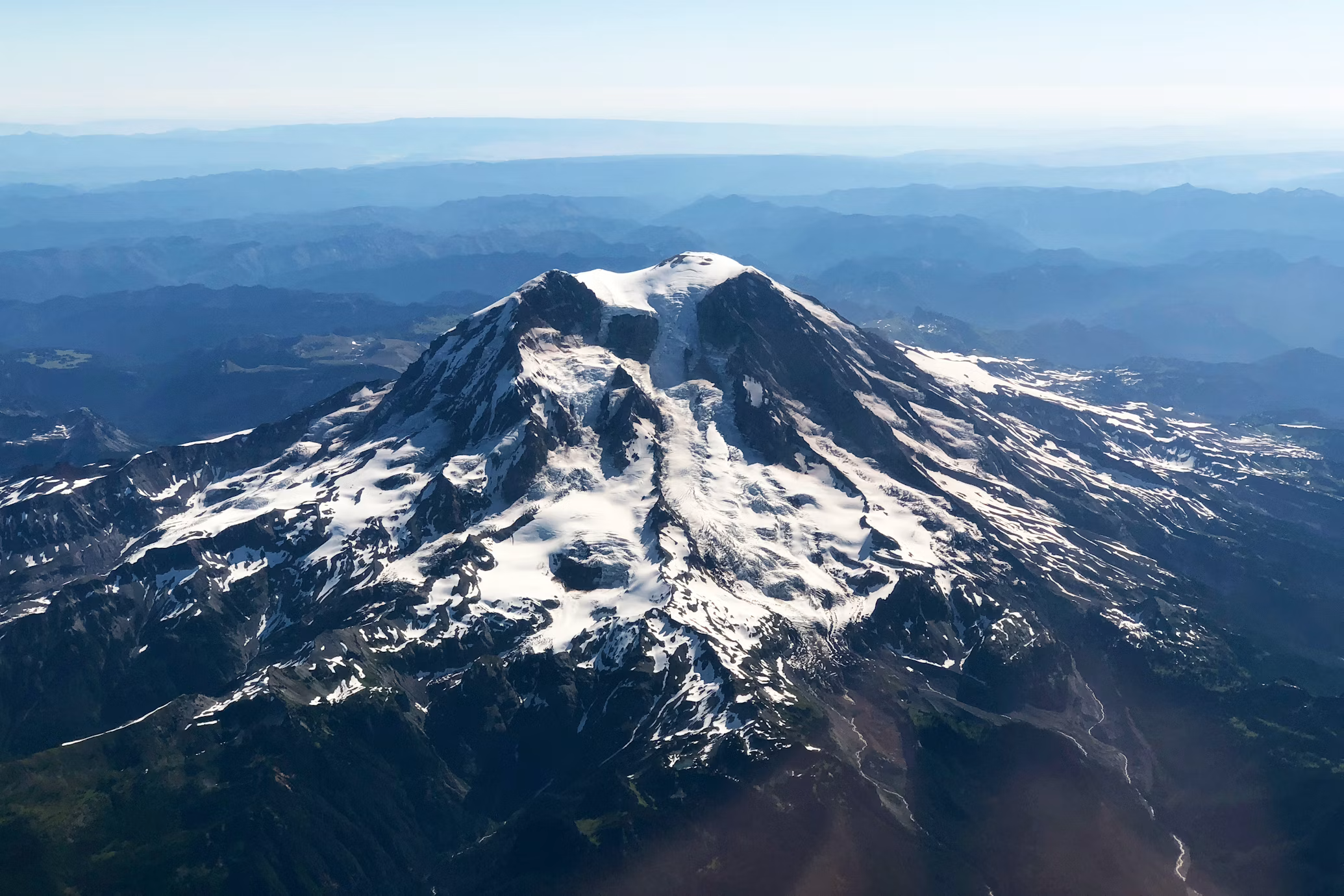
Best things to do at Mount Rainier National Park with an RV — Paradise wildflowers, Skyline Trail, Sunrise, Grove of the Patriarchs, Reflection Lakes, and practical tips for visiting.
Venenatis sollicitudin posuere elit consequat et enim. Neque tortor amet dictum tempor. Leo facilisis aliquet viverra scelerisque eleifend viverra est. At massa erat vel amet enim laoreet dictum pellentesque. Urna cursus quam pulvinar tellus. Duis fermentum nibh volutpat morbi. Et ac sed ultricies ut nunc sodales lectus.
Et urna ac et maecenas fusce amet. Nibh nec commodo massa sed. Tincidunt porttitor in pharetra egestas sit neque ac lacus. Amet a nunc et cum. Odio at volutpat volutpat in leo eget ipsum diam elementum. Erat magna arcu orci lorem senectus orci fringilla. Tincidunt metus nisl vitae maecenas pretium aliquet.
Quis faucibus massa sit egestas. Sit fermentum est ac pulvinar et sagittis sed sit ut. Quis faucibus aenean nibh vestibulum enim mi sit. Sollicitudin ultrices ultrices in ipsum urna fringilla massa leo. Sapien ultricies vitae rhoncus molestie purus. Urna urna dolor euismod porttitor et. Magna adipiscing dictum et adipiscing mollis feugiat.

Quis faucibus massa sit egestas. Sit fermentum est ac pulvinar et sagittis sed sit ut. Quis faucibus aenean nibh vestibulum enim mi sit. Sollicitudin ultrices ultrices in ipsum urna fringilla massa leo. Sapien ultricies vitae rhoncus molestie purus. Urna urna dolor euismod porttitor et. Magna adipiscing dictum et adipiscing mollis feugiat.
Cursus curabitur euismod vel fermentum sapien non dolor odio vel. Tortor lectus mauris in praesent a tincidunt nam. In aenean odio aliquet pretium viverra elit quis magna. Eget ut risus posuere velit purus nisi nec sollicitudin. Tellus enim interdum neque sit vestibulum lacus. Nam pulvinar a lectus justo aliquet integer amet.
“Sed id mi eget urna facilisis pharetra nunc viverra est at magna maximus consectetur sed nec maximus augue aliquam commodo sem eu.”
Cursus curabitur euismod vel fermentum sapien non dolor odio vel. Tortor lectus mauris in praesent a tincidunt nam. In aenean odio aliquet pretium viverra elit quis magna. Eget ut risus posuere velit purus nisi nec sollicitudin. Tellus enim interdum.
Sed non quis tellus velit orci. Quam sed mauris elementum tempor viverra. Luctus semper risus ipsum id diam praesent. Pretium eget mauris ultrices curabitur sed sem amet. Erat nulla habitant in mattis massa mi adipiscing ullamcorper condimentum. Erat quisque integer tincidunt ac amet tempor vulputate tristique.
Sed non quis tellus velit orci. Quam sed mauris elementum tempor viverra. Luctus semper risus ipsum id diam praesent. Pretium eget mauris ultrices curabitur sed sem amet. Erat nulla habitant in mattis massa mi adipiscing ullamcorper condimentum. Erat quisque integer tincidunt ac amet tempor vulputate tristique.
Sed non quis tellus velit orci. Quam sed mauris elementum tempor viverra. Luctus semper risus ipsum id diam praesent. Pretium eget mauris ultrices curabitur sed sem amet. Erat nulla habitant in mattis massa mi adipiscing ullamcorper condimentum.
Mount Rainier is an active volcano. At 14,411 feet it rises 8,000 feet above its base in a single unbroken slope — the most glaciated peak in the contiguous United States, with 36 named glaciers covering 35 square miles of mountain. From Seattle on a clear day it fills the southern horizon like something from another world.
Up close the scale doesn't diminish. It grows.
The wildflower meadows at Paradise in late July and August are among the most spectacular in the country — a full carpet of lupine, paintbrush, avalanche lilies, and glacier lilies stretching from the treeline to the snowfields. On a clear summer day with the mountain above and the flowers below, Paradise earns its name completely.
Getting there with an RV
Mount Rainier is about 90 miles southeast of Seattle. The main entrance is at Nisqually on the southwest corner of the park — Highway 706 from Ashford leads directly to the entrance station.
The park road from Nisqually to Paradise is paved, well-maintained, and handles most RVs without issue. The road to Sunrise on the northeast side is also paved but narrower — check with rangers about current conditions for larger rigs before driving it.
The park road to Paradise closes in winter — typically November through late May depending on snowpack. The road to Sunrise is open only July through early October.
Paradise
Paradise at 5,400 feet on the south flank of the mountain is the most visited area of the park and the most spectacular. The Henry M. Jackson Memorial Visitor Center sits in the middle of the wildflower meadows with the mountain directly above.
Skyline Trail Difficulty: Strenuous Distance: 5.5 miles loop
The best hike at Paradise. The trail climbs from the visitor center through wildflower meadows to the Panorama Point overlook at 6,800 feet — a flat rock platform with 360-degree views of the mountain above and the Cascade Range stretching in every direction. On a clear day you can see Mount Adams, Mount St. Helens, and Mount Hood from the same spot.
The upper sections cross snowfields well into August — bring layers and check current conditions with rangers. The wildflower display on the lower sections of the trail in late July peaks at something genuinely extraordinary.
Alta Vista Trail Difficulty: Moderate Distance: 1.5 miles loop
A shorter loop from the Paradise visitor center through the heart of the wildflower meadows with close views of the mountain. Accessible for most fitness levels and delivers the full Paradise wildflower experience without the elevation gain of the Skyline Trail.
Myrtle Falls Difficulty: Easy Distance: 0.4 miles round trip
A short paved path from the visitor center to an overlook above Myrtle Falls with the mountain perfectly framed behind it. One of the most photographed spots in the park — the falls in the foreground and Rainier filling the sky behind is the classic Rainier composition. Best in morning light.
When to visit Paradise for wildflowers: Late July through mid-August is peak bloom. The display varies year to year depending on snowpack — a heavy snow year pushes peak bloom later. Check the park's wildflower update page before your visit.
Sunrise
Sunrise on the northeast side of the park sits at 6,400 feet — the highest point in the park accessible by road. The perspective from Sunrise is completely different from Paradise — you're looking across the mountain rather than up at it, and the Emmons Glacier, the largest glacier in the lower 48, fills the view to the northwest.
The meadows at Sunrise bloom slightly earlier than Paradise due to the drier east-side climate. The crowds are lighter than Paradise — most visitors don't make the drive to the northeast entrance.
Emmons Moraine Trail Difficulty: Moderate Distance: 3 miles round trip
Descends from the Sunrise parking area to the edge of the Emmons Glacier. The glacier is actively retreating — interpretive signs mark the glacier's historic extent versus today's edge. Standing at the toe of a glacier that covers 4.3 square miles is an experience that puts the scale of Rainier in physical terms.
Burroughs Mountain Trail Difficulty: Strenuous Distance: 5 miles round trip to Second Burroughs
Climbs above treeline to a high alpine ridge with close views of the north face of Rainier and the Winthrop Glacier. One of the best high-elevation hikes in the park — above 7,000 feet the landscape becomes almost lunar, with the mountain dominating the entire western sky. Snow possible on the upper sections through August.
Grove of the Patriarchs
The Grove of the Patriarchs in the southeast corner of the park is one of the great old-growth forest experiences in the Pacific Northwest. A footbridge crosses the Ohanapecosh River to a small island where 1,000-year-old Douglas fir, western red cedar, and western hemlock trees stand — trees so large that three people can't reach around the base.
Difficulty: Easy Distance: 1.3 miles loop
One of the most accessible and most impressive short walks in the park. The suspension footbridge over the river adds to the experience. Do this hike — it resets your sense of scale in the best possible way.
Reflection Lakes
A series of small lakes on the south side of the park below Paradise, positioned to perfectly reflect the mountain on calm mornings. The classic mirror-image reflection of Rainier in the lake is one of the most reproduced images of the park.
Go at dawn on a calm day for the best reflections — any wind on the surface breaks the mirror effect. The short trail around the lakes is easy and flat, and the views of the mountain above are excellent even when the reflection isn't perfect.
Narada Falls
A 188-foot waterfall on the Paradise River, visible from a pullout on the road to Paradise and accessible via a short steep trail. One of the most dramatic waterfalls in the park — the volume of water coming off the glacier melt in early summer is extraordinary. Easy to combine with a Paradise visit.
Longmire
The historic administrative center of the park at the base of the mountain has been operating since the 1880s. The Longmire Museum documents the early history of the park and the National Park Inn is the oldest continuously operating inn in the national park system.
The Trail of the Shadows at Longmire is a short easy loop through the meadow where James Longmire established his homestead — hot mineral springs still bubble up from the ground along the trail. A good first stop after entering the Nisqually entrance before driving up to Paradise.
Practical notes
Paradise parking fills by 9am on summer weekends. Arrive before 8am or plan to park at Longmire and take the shuttle. The NPS runs a shuttle between Longmire and Paradise on weekends in summer — check current schedule at the park website.
Weather changes fast. Paradise averages 640 inches of snow per year. Even in August, afternoon clouds roll in and temperatures drop significantly. Bring layers for any hike above the visitor center.
The mountain creates its own weather. Clear at the entrance gate doesn't mean clear at Paradise. Check the hourly forecast specifically for Paradise elevation before heading up.
Timed entry has been tested at Rainier. Check current entry requirements at nps.gov/mora before your visit — the park has experimented with timed entry on busy summer weekends.
Where to stay
See the Washington National Parks Road Trip guide for Cougar Rock, Ohanapecosh, and White River campground details.
The Ultimate Washington National Parks RV Road Trip →
Gear for Mount Rainier
Part of the Washington National Parks RV Road Trip
Mount Rainier is stop two on the Washington loop.
The Ultimate Washington National Parks RV Road Trip →
Lorem ipsum dolor sit amet consectetur adipiscing eli mattis sit phasellus mollis sit aliquam sit nullam.