Subscribe to our newsletter today
Lorem ipsum dolor sit amet consectetur adipiscing eli mattis sit phasellus mollis sit aliquam sit nullam.
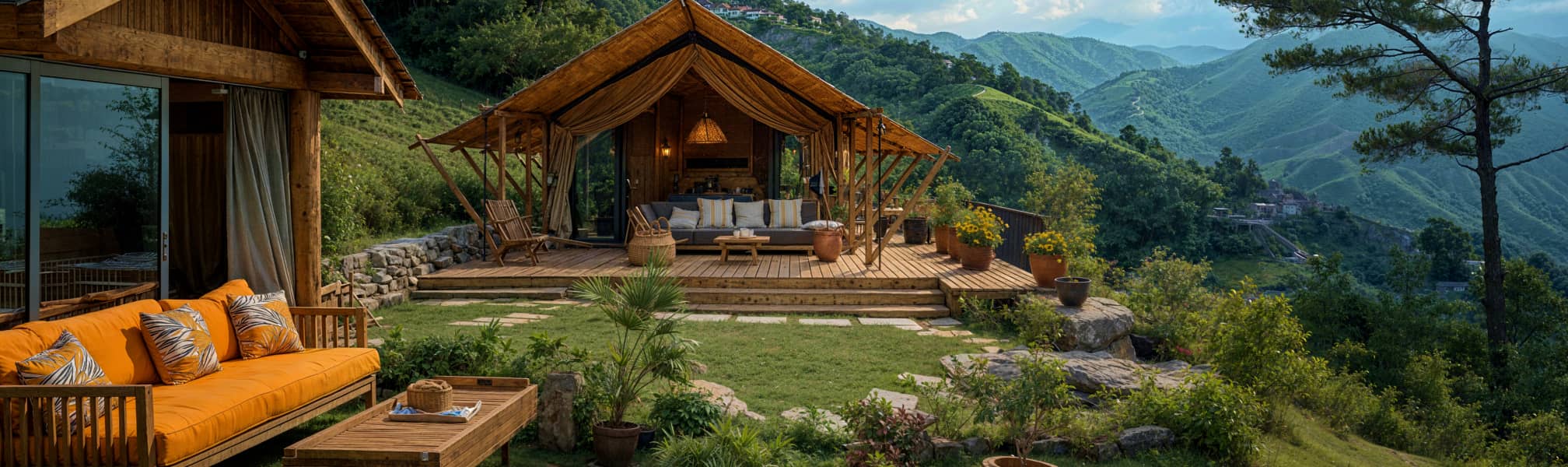

Best things to do at Olympic National Park with an RV — Hoh Rainforest, Hurricane Ridge, Rialto Beach, Ruby Beach, Sol Duc Falls, Lake Crescent, and practical tips for the Olympic Peninsula.
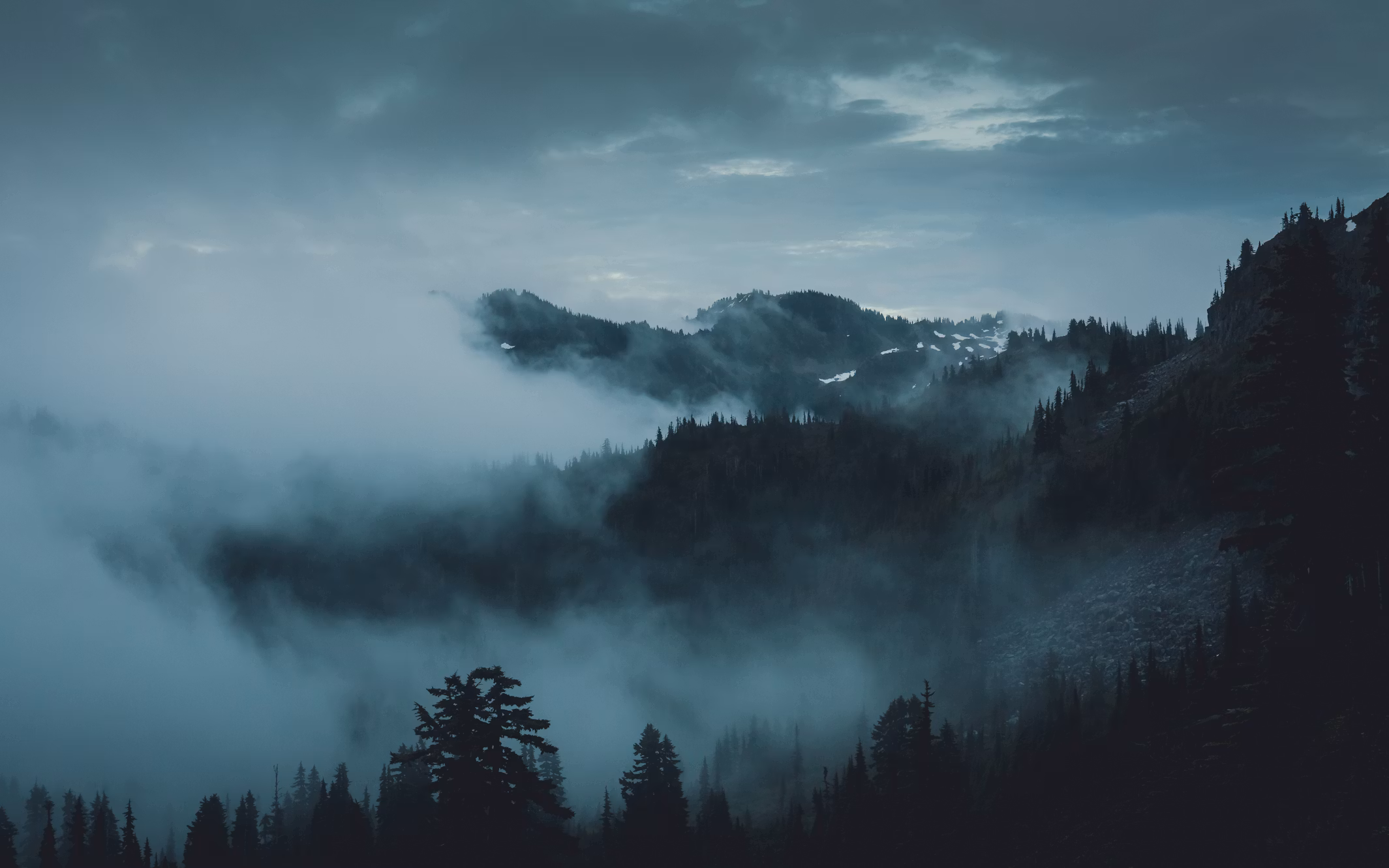
Venenatis sollicitudin posuere elit consequat et enim. Neque tortor amet dictum tempor. Leo facilisis aliquet viverra scelerisque eleifend viverra est. At massa erat vel amet enim laoreet dictum pellentesque. Urna cursus quam pulvinar tellus. Duis fermentum nibh volutpat morbi. Et ac sed ultricies ut nunc sodales lectus.
Et urna ac et maecenas fusce amet. Nibh nec commodo massa sed. Tincidunt porttitor in pharetra egestas sit neque ac lacus. Amet a nunc et cum. Odio at volutpat volutpat in leo eget ipsum diam elementum. Erat magna arcu orci lorem senectus orci fringilla. Tincidunt metus nisl vitae maecenas pretium aliquet.
Quis faucibus massa sit egestas. Sit fermentum est ac pulvinar et sagittis sed sit ut. Quis faucibus aenean nibh vestibulum enim mi sit. Sollicitudin ultrices ultrices in ipsum urna fringilla massa leo. Sapien ultricies vitae rhoncus molestie purus. Urna urna dolor euismod porttitor et. Magna adipiscing dictum et adipiscing mollis feugiat.

Quis faucibus massa sit egestas. Sit fermentum est ac pulvinar et sagittis sed sit ut. Quis faucibus aenean nibh vestibulum enim mi sit. Sollicitudin ultrices ultrices in ipsum urna fringilla massa leo. Sapien ultricies vitae rhoncus molestie purus. Urna urna dolor euismod porttitor et. Magna adipiscing dictum et adipiscing mollis feugiat.
Cursus curabitur euismod vel fermentum sapien non dolor odio vel. Tortor lectus mauris in praesent a tincidunt nam. In aenean odio aliquet pretium viverra elit quis magna. Eget ut risus posuere velit purus nisi nec sollicitudin. Tellus enim interdum neque sit vestibulum lacus. Nam pulvinar a lectus justo aliquet integer amet.
“Sed id mi eget urna facilisis pharetra nunc viverra est at magna maximus consectetur sed nec maximus augue aliquam commodo sem eu.”
Cursus curabitur euismod vel fermentum sapien non dolor odio vel. Tortor lectus mauris in praesent a tincidunt nam. In aenean odio aliquet pretium viverra elit quis magna. Eget ut risus posuere velit purus nisi nec sollicitudin. Tellus enim interdum.
Sed non quis tellus velit orci. Quam sed mauris elementum tempor viverra. Luctus semper risus ipsum id diam praesent. Pretium eget mauris ultrices curabitur sed sem amet. Erat nulla habitant in mattis massa mi adipiscing ullamcorper condimentum. Erat quisque integer tincidunt ac amet tempor vulputate tristique.
Sed non quis tellus velit orci. Quam sed mauris elementum tempor viverra. Luctus semper risus ipsum id diam praesent. Pretium eget mauris ultrices curabitur sed sem amet. Erat nulla habitant in mattis massa mi adipiscing ullamcorper condimentum. Erat quisque integer tincidunt ac amet tempor vulputate tristique.
Sed non quis tellus velit orci. Quam sed mauris elementum tempor viverra. Luctus semper risus ipsum id diam praesent. Pretium eget mauris ultrices curabitur sed sem amet. Erat nulla habitant in mattis massa mi adipiscing ullamcorper condimentum.
Olympic National Park contains three completely separate ecosystems within its boundaries — temperate rainforest, glaciated mountain peaks, and 73 miles of wild Pacific coastline. No road connects them. You experience each one as its own world.
That's what makes Olympic unlike any other park in the national park system. Most parks have one signature landscape. Olympic has three.
Getting there with an RV
The Olympic Peninsula is reached by ferry from Seattle or by driving south through Olympia and up the west side of the peninsula. The ferry is faster and the experience is worth doing — see the Washington Road Trip hub for ferry booking details.
Highway 101 circles the entire peninsula and provides access to all three ecosystems. The road is paved and handles most RV sizes throughout, with some sections having tight curves in the rainforest areas.
Port Angeles on the north side of the peninsula is the main gateway town — gas up here, stock provisions, and check road conditions at the Olympic National Park visitor center before heading into the park.
The Hoh Rainforest
The Hoh Rainforest on the western side of the peninsula receives up to 140 inches of rain per year — more precipitation than almost anywhere in the lower 48. The result is an ecosystem that looks prehistoric. Sitka spruce and western red cedar hundreds of years old rise from a forest floor carpeted in twelve-inch-thick moss. Bigleaf maple trees disappear under curtains of hanging moss. Roosevelt elk move through the understory in the early morning.
Hall of Mosses Trail Difficulty: Easy Distance: 0.8 miles
The most visited trail in the Hoh Rainforest and one of the most beautiful short walks in the national park system. The trail winds through a grove of bigleaf maple draped so heavily in club moss that the trees become green architecture — arching canopies of living moss overhead. Best in filtered morning light when the forest glows green. Go early before the tour buses arrive.
Hoh River Trail Difficulty: Easy to moderate Distance: Walk as far as you want — trail continues 17 miles to the glacier
The Hoh River Trail follows the river through old-growth forest with views of Mount Olympus ahead. Day hikers can walk as far as they like and turn around — even the first two miles deliver the full rainforest experience. The trail is mostly flat and wide. Roosevelt elk are commonly seen along the river corridor in early morning and evening.
What to know: The Hoh Rainforest is genuinely wet — not just occasionally wet, but consistently wet. Waterproof footwear and a rain jacket are practical necessities, not optional extras. The forest is beautiful in the rain. Embrace it.
Hurricane Ridge
Hurricane Ridge sits at 5,242 feet on the northern edge of the Olympic Mountains, reached by a 17-mile paved road climbing from Port Angeles. On a clear day the views from the ridge overlook the entire Olympic Mountain range to the south and the Strait of Juan de Fuca and Vancouver Island to the north.
The meadows along the ridge road bloom with wildflowers from July through September — lupine, paintbrush, and glacier lilies in waves of color against the mountain backdrop.
Hurricane Hill Trail Difficulty: Moderate Distance: 3.2 miles round trip
Follows the ridge west from the visitor center to the summit of Hurricane Hill with 360-degree views of the Olympics and the strait. One of the best accessible hikes in the park — moderate elevation gain, well-maintained trail, extraordinary payoff.
Sunrise on Hurricane Ridge
The visitor center opens at dawn in summer and the morning light on the Olympic peaks is worth setting an alarm for. The road climbs through fog banks on the way up and often breaks out into sunshine above the clouds — arriving in the dark to watch the mountains emerge from mist as the sun rises is genuinely extraordinary.
RV note: The Hurricane Ridge road handles most RVs up to about 30 feet. Larger rigs should check with the visitor center about current road conditions and turning areas at the top. RVs over 21 feet are not permitted on the road during winter snow operations.
The Pacific Coast
Olympic's 73 miles of coastline is among the wildest and most remote in the lower 48. No roads run along most of it — access is from short spur roads that end at the beach, and everything in between is wilderness accessible only on foot.
Rialto Beach The most dramatic and most visited coastal section. Large sea stacks rise from the surf, driftwood logs the size of buildings pile on the beach from winter storms, and the raw power of the Pacific is on full display. Walk north from the parking area along the beach — the Hole-in-the-Wall sea arch is 1.5 miles north at low tide.
Book on Recreation.gov → [affiliate link]
Ruby Beach The southernmost of the coastal access points with perhaps the most dramatic sea stack scenery. The combination of the red-tinged sand, the massive rock formations, and the Olympic surf makes this one of the most photogenic beaches on the Pacific Coast. Sunset here is extraordinary.
Kalaloch The only section of the Olympic coast with a developed campground directly on the beach. Some of the Kalaloch Campground sites sit on the bluff directly above the surf — the sound of the ocean from your RV at night is worth booking these sites specifically.
Book on Recreation.gov → [affiliate link]
Lake Crescent
Lake Crescent in the northern section of the park is one of the most beautiful lakes in the Pacific Northwest. The water is an extraordinary blue-green from glacial minerals — so clear that the bottom is visible at 60 feet depth. The lake is surrounded by old-growth forest and the peaks of the Olympics rise behind it.
Marymere Falls Trail Difficulty: Easy Distance: 1.8 miles round trip
From the Storm King trailhead at the lake's eastern end, an easy walk through old-growth forest to a 90-foot waterfall. The trail crosses Barnes Creek on a footbridge and climbs slightly to the falls viewpoint. One of the best easy hikes in the park.
Lake Crescent Lodge
The historic lodge on the lake's south shore has been operating since 1916. Non-guests can walk the grounds, rent rowboats on the lake, and eat at the restaurant with views of the water. The evening light on the lake from the lodge dock is one of the great quiet moments in Olympic.
Sol Duc Valley
The Sol Duc River drainage on the western side of the park contains old-growth forest, hot springs, and one of the best short hikes in the park.
Sol Duc Falls Difficulty: Easy Distance: 1.6 miles round trip
The Sol Duc River drops into a narrow canyon and splits around a rock island into three separate falls. The falls are surrounded by old-growth forest and the trail is easy and paved for much of its length. One of the most photogenic waterfalls in the Pacific Northwest. Go in spring when the water volume is highest.
Sol Duc Hot Springs
The Sol Duc Hot Springs Resort operates mineral hot spring pools open to day visitors from May through October. After days of hiking in the rainforest, soaking in hot mineral water surrounded by old-growth forest is exactly what it sounds like. Day use fees apply.
Wildlife
Olympic has one of the most diverse wildlife populations of any national park. Roosevelt elk are the signature species — the largest elk in North America, named for Theodore Roosevelt who established the park's predecessor monument to protect them. They are commonly seen in the Hoh River valley, in the Sol Duc valley, and along Highway 101 at dawn and dusk.
Black bears are present throughout the park. Mountain goats were removed from the Olympics in a multi-year relocation program — the goats were non-native and were damaging the alpine ecosystem. Native mountain goats are now being reintroduced in small numbers.
Black-tailed deer are common throughout. River otters, bald eagles, and great blue herons are regularly seen along the rivers and coastline. Orcas and gray whales are occasionally visible from the coastal beaches.
Practical notes
No road crosses the Olympics. To get from the north side to the west side you drive around — about 90 miles on Highway 101. Plan your routing to minimize backtracking. Most RVers spend 2–3 nights on the north side covering Hurricane Ridge and Lake Crescent, then 2–3 nights on the west side covering the Hoh and the coast.
The park entrance fee covers all sections. One pass works for Hurricane Ridge, Hoh Rainforest, and the coast. Keep your receipt.
Cell service is unreliable throughout. Download offline maps before leaving Port Angeles. Starlink handles most of the peninsula well.
Campground reservations are essential in summer. Hoh and Kalaloch campgrounds are the hardest to get — book the day Recreation.gov reservations open, six months in advance.
Where to stay
See the Washington National Parks Road Trip guide for full campground details.
The Ultimate Washington National Parks RV Road Trip →
Gear for Olympic
Part of the Washington National Parks RV Road Trip
Olympic is stop one on the Washington loop.
The Ultimate Washington National Parks RV Road Trip →
Lorem ipsum dolor sit amet consectetur adipiscing eli mattis sit phasellus mollis sit aliquam sit nullam.