Subscribe to our newsletter today
Lorem ipsum dolor sit amet consectetur adipiscing eli mattis sit phasellus mollis sit aliquam sit nullam.
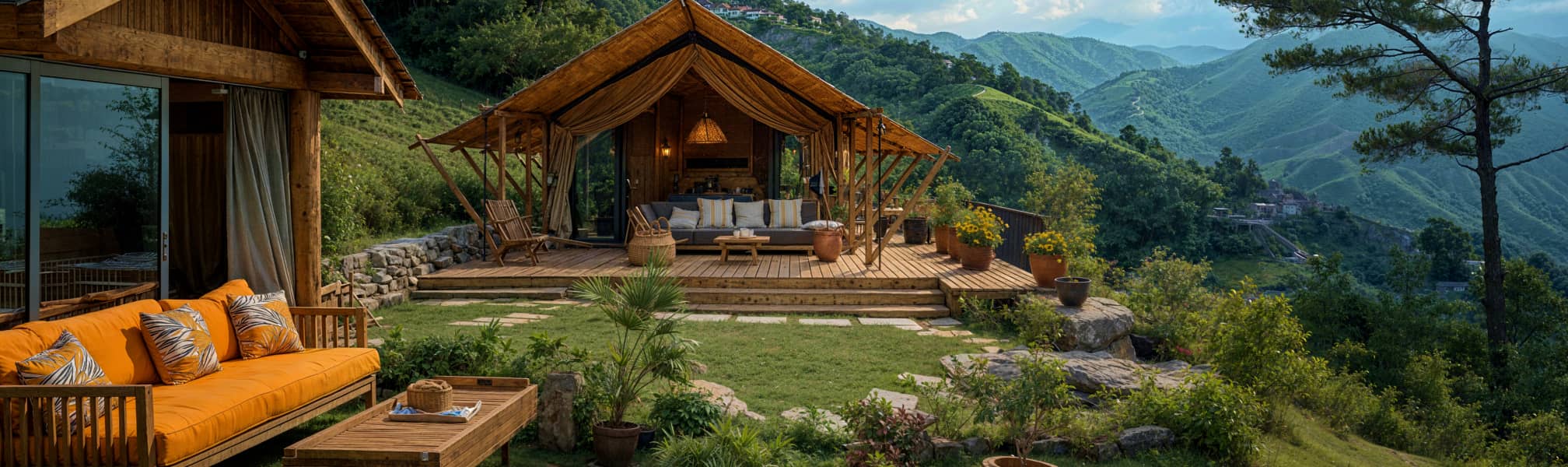

The ultimate Southwest RV road trip — Zion, Bryce Canyon, Arches, Canyonlands, Monument Valley, and the Grand Canyon with campground recommendations, booking tips, and gear advice.
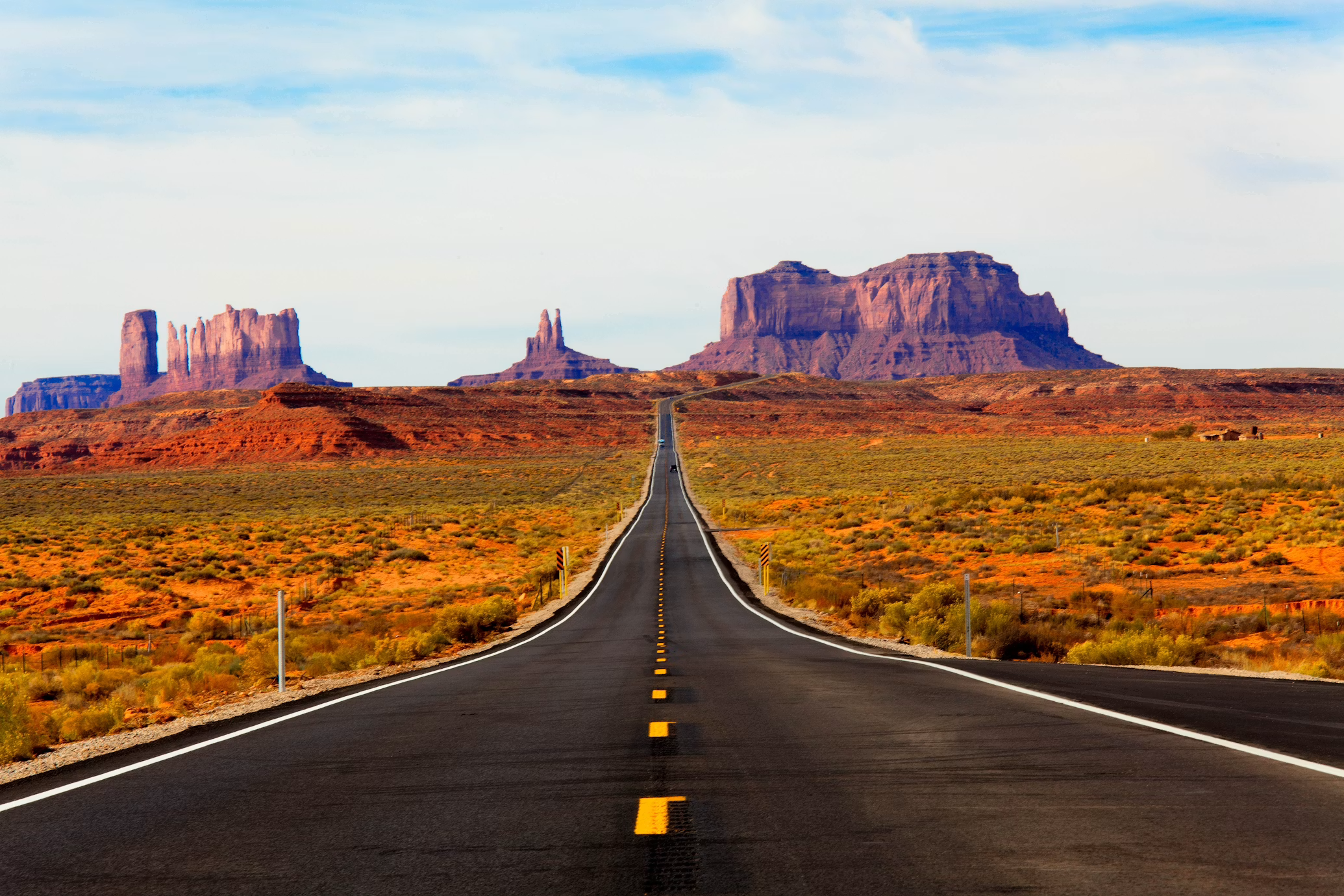
Venenatis sollicitudin posuere elit consequat et enim. Neque tortor amet dictum tempor. Leo facilisis aliquet viverra scelerisque eleifend viverra est. At massa erat vel amet enim laoreet dictum pellentesque. Urna cursus quam pulvinar tellus. Duis fermentum nibh volutpat morbi. Et ac sed ultricies ut nunc sodales lectus.
Et urna ac et maecenas fusce amet. Nibh nec commodo massa sed. Tincidunt porttitor in pharetra egestas sit neque ac lacus. Amet a nunc et cum. Odio at volutpat volutpat in leo eget ipsum diam elementum. Erat magna arcu orci lorem senectus orci fringilla. Tincidunt metus nisl vitae maecenas pretium aliquet.
Quis faucibus massa sit egestas. Sit fermentum est ac pulvinar et sagittis sed sit ut. Quis faucibus aenean nibh vestibulum enim mi sit. Sollicitudin ultrices ultrices in ipsum urna fringilla massa leo. Sapien ultricies vitae rhoncus molestie purus. Urna urna dolor euismod porttitor et. Magna adipiscing dictum et adipiscing mollis feugiat.

Quis faucibus massa sit egestas. Sit fermentum est ac pulvinar et sagittis sed sit ut. Quis faucibus aenean nibh vestibulum enim mi sit. Sollicitudin ultrices ultrices in ipsum urna fringilla massa leo. Sapien ultricies vitae rhoncus molestie purus. Urna urna dolor euismod porttitor et. Magna adipiscing dictum et adipiscing mollis feugiat.
Cursus curabitur euismod vel fermentum sapien non dolor odio vel. Tortor lectus mauris in praesent a tincidunt nam. In aenean odio aliquet pretium viverra elit quis magna. Eget ut risus posuere velit purus nisi nec sollicitudin. Tellus enim interdum neque sit vestibulum lacus. Nam pulvinar a lectus justo aliquet integer amet.
“Sed id mi eget urna facilisis pharetra nunc viverra est at magna maximus consectetur sed nec maximus augue aliquam commodo sem eu.”
Cursus curabitur euismod vel fermentum sapien non dolor odio vel. Tortor lectus mauris in praesent a tincidunt nam. In aenean odio aliquet pretium viverra elit quis magna. Eget ut risus posuere velit purus nisi nec sollicitudin. Tellus enim interdum.
Sed non quis tellus velit orci. Quam sed mauris elementum tempor viverra. Luctus semper risus ipsum id diam praesent. Pretium eget mauris ultrices curabitur sed sem amet. Erat nulla habitant in mattis massa mi adipiscing ullamcorper condimentum. Erat quisque integer tincidunt ac amet tempor vulputate tristique.
Sed non quis tellus velit orci. Quam sed mauris elementum tempor viverra. Luctus semper risus ipsum id diam praesent. Pretium eget mauris ultrices curabitur sed sem amet. Erat nulla habitant in mattis massa mi adipiscing ullamcorper condimentum. Erat quisque integer tincidunt ac amet tempor vulputate tristique.
Sed non quis tellus velit orci. Quam sed mauris elementum tempor viverra. Luctus semper risus ipsum id diam praesent. Pretium eget mauris ultrices curabitur sed sem amet. Erat nulla habitant in mattis massa mi adipiscing ullamcorper condimentum.
This is the one. The Southwest road trip is the bucket list RV route — red rock canyons, slot canyon light, billion-star skies, and three of the most dramatic national parks in the country within a few hours of each other. If you only do one big RV trip, this is the one to do first.
Here's how to plan it, where to camp, and what not to miss.
The route
The classic loop runs roughly like this:
Las Vegas → Zion National Park → Bryce Canyon National Park → Capitol Reef National Park → Arches National Park → Canyonlands National Park → Monument Valley → Grand Canyon South Rim → Las Vegas
Total driving distance: approximately 1,400 miles. Recommended time: 10–14 days minimum. Two weeks is better. Three weeks lets you breathe.
You can start from Las Vegas, Phoenix, or Salt Lake City depending on where you're flying into or driving from. Las Vegas is the most common starting point because of the airport size and the RV rental options nearby.
Zion National Park
Zion is where most people fall in love with the Southwest. The scale of the canyon walls — 2,000-foot sandstone cliffs in burnt orange and cream — is something photographs don't fully prepare you for. The Virgin River runs through the canyon floor and in spring you can hike through it knee-deep in the most famous slot canyon hike in the country.
Where to camp:
Watchman Campground — the best campground inside Zion, sitting at the canyon entrance with views of the Watchman formation. Electric hookups available on some sites. Books up months in advance. Maximum RV length varies by loop — check Recreation.gov before booking.
Book on Recreation.gov → [affiliate link]
South Campground — walk-in and first-come-first-served only, smaller sites, no hookups. For self-contained rigs willing to gamble on availability.
Zion Canyon Campground — private campground just outside the park boundary in Springdale. Full hookups, within walking distance of the park entrance. Good backup if Watchman is full.
Book on Campspot → [affiliate link]
What not to miss:
The Narrows — hiking up the Virgin River through a slot canyon that narrows to 20 feet wide with walls 1,000 feet high. The most iconic hike in Zion. Rent dry pants and neoprene socks from the outfitters in Springdale — you'll be in water to your waist in spring. Worth every minute.
Angels Landing — the famous exposed ridge hike with chains bolted into the rock for the final section. Now requires a permit. Views from the top are extraordinary. Not for anyone uncomfortable with heights.
Canyon Overlook Trail — short, accessible, and delivers dramatic canyon views for minimal effort. Best sunrise hike in the park.
Emerald Pools — a series of pools and waterfalls reached by a well-maintained trail. The lower pool is accessible for most fitness levels. Beautiful in spring when the falls are running strong.
Important: Zion operates a mandatory shuttle system through the main canyon from spring through fall. Private vehicles are not permitted on Zion Canyon Scenic Drive during peak season. Park your RV at the campground or visitor center and take the shuttle.
Bryce Canyon National Park
Bryce Canyon is technically not a canyon — it's an amphitheater of eroded limestone spires called hoodoos, stained red, orange, and white by iron and manganese. The sight of 10,000 hoodoos stretching across the plateau at sunrise is one of the genuinely otherworldly experiences in American travel.
It's also at 8,000–9,000 feet elevation, which means it can be cold even in summer and snow is possible in spring and fall.
Where to camp:
North Campground — inside the park, walking distance from the rim trail and visitor center. Some sites have hookups. Books up fast on Recreation.gov.
Book on Recreation.gov → [affiliate link]
Sunset Campground — also inside the park, larger sites, some hookups. Good alternative when North is full.
Ruby's Inn RV Park — just outside the park entrance, full hookups, the most reliable option for larger rigs. The adjacent store and restaurant are genuinely useful after days in the backcountry.
Book on Campspot → [affiliate link]
What not to miss:
Sunrise at Sunrise Point — arrive before dawn and watch the hoodoos turn from grey to pink to blazing orange as the sun hits them. One of the best sunrise experiences in the national park system. Bring layers — it will be cold.
Navajo Loop and Queen's Garden Trail — the best combination hike in the park. Descends into the amphitheater, winds through the hoodoos up close, and climbs back out through a different route. About 3 miles, moderately strenuous. Do this hike.
Rim Trail — the easy option that connects all the major viewpoints along the canyon rim. Mostly flat, partially paved, spectacular views the entire way.
Stargazing — Bryce Canyon is one of the darkest sky locations in the lower 48. On a clear night with no moon the Milky Way is visible with the naked eye and the star density is staggering. The park runs ranger-led astronomy programs in summer.
Capitol Reef National Park
The least visited of the five Utah national parks and arguably the most underrated. Capitol Reef protects the Waterpocket Fold — a 100-mile wrinkle in the earth's crust that creates a landscape unlike anything else in the Southwest. Fewer crowds, dramatic scenery, and one of the best fruit orchards you'll find in a national park.
Where to camp:
Fruita Campground — the only developed campground inside the park, surrounded by the historic Fruita orchard. No hookups but a stunning location. Sites fill up fast — arrive early or book on Recreation.gov when reservations open.
Book on Recreation.gov → [affiliate link]
What not to miss:
Scenic Drive — a 25-mile paved road into the heart of the Waterpocket Fold. RV-friendly for most of its length. The Capitol Gorge spur at the end is worth the short walk to see pioneer signatures carved into the canyon walls.
The Fruita Orchard — the NPS maintains a historic orchard of apple, peach, pear, and cherry trees planted by Mormon settlers. In season you can pick fruit directly from the trees for a small fee. It's a genuinely lovely experience.
Hickman Bridge — a natural sandstone arch reached by a 2-mile round trip hike with panoramic views of the Waterpocket Fold. One of the best short hikes in Utah.
Arches National Park
More than 2,000 natural sandstone arches in one park — including Delicate Arch, one of the most recognized geological formations in the world. The landscape looks like it was designed for maximum drama.
Where to camp:
Devils Garden Campground — the only campground inside the park, 18 miles from the entrance on a paved road. Sites are reservable on Recreation.gov and book up months out. Worth the effort — waking up inside Arches before the day crowds arrive is something else entirely.
Book on Recreation.gov → [affiliate link]
Moab area campgrounds — Moab is the gateway town and has numerous private campgrounds with full hookups. Good base for exploring both Arches and Canyonlands.
Book on Hipcamp → [affiliate link]
Important: Arches now requires a timed entry reservation from April through October. Reserve at Recreation.gov before you arrive — you cannot enter without one during peak hours.
What not to miss:
Delicate Arch — the 3-mile round trip hike to Utah's most famous arch. Steep and exposed with no shade — go early morning or evening to avoid the heat. Sunrise and sunset are both extraordinary.
Landscape Arch — the longest natural arch in North America at 290 feet. Reached by a flat 1.6-mile trail from Devils Garden trailhead. Easy enough for most fitness levels.
Double Arch — two arches sharing a common base, accessible by a short flat trail. One of the most photogenic formations in the park.
Canyonlands National Park
The wildest and least-visited of the Utah five. Canyonlands is divided into four districts — Island in the Sky is the most accessible and most dramatic, with views from a mesa top down into a labyrinth of canyons carved by the Colorado and Green Rivers 1,000 feet below.
Where to camp:
Willow Flat Campground — Island in the Sky district, 12 sites, first-come-first-served, no hookups. Small sites — best for rigs under 28 feet. The sunrise from Mesa Arch five minutes away is worth any inconvenience.
Book on Recreation.gov → [affiliate link]
What not to miss:
Mesa Arch at sunrise — a sandstone arch on the rim of Island in the Sky that frames the canyon below. Photographers line up before dawn for the shot. The light through the arch at sunrise is genuinely magical — one of the great photography spots in the Southwest.
Grand View Point — the southernmost overlook on Island in the Sky. On a clear day you can see into three states. The views are staggering in every direction.
Monument Valley
Technically on Navajo Nation land, not a national park. The Navajo Tribal Park charges a separate entrance fee and the revenue stays with the Navajo Nation — pay it without complaint.
The mittens and merrick butte rising from the flat valley floor are among the most iconic images in American landscape photography. John Ford filmed nine westerns here. The light at sunrise and sunset turns the sandstone from red to gold to deep crimson.
Where to camp:
The View Campground — directly inside the Navajo Tribal Park with unobstructed views of the mittens from your site. One of the most dramatic campground settings in the country. Book early.
Book directly at navajonationparks.org →
What not to miss:
Sunrise from The View Campground — set an alarm. The light on the mittens in the first 20 minutes after sunrise is something you will talk about for years.
The 17-Mile Drive — a dirt road loop through the valley floor. Most passenger vehicles can handle it in dry conditions. RVs and trailers should skip the loop and view from the rim — the road gets rough and some sections are too narrow for larger rigs.
Guided Jeep tours — to access areas beyond the self-guided loop you need a Navajo guide. The tours are worth it and the revenue supports the community directly.
Grand Canyon South Rim
Save this for the end of the trip. Nothing in the Southwest — nothing in the country — prepares you for the first view of the Grand Canyon. After days of dramatic scenery, the canyon still manages to be more than you expected.
Where to camp:
Mather Campground — the main campground on the South Rim, walking distance from the canyon rim and village. Electric hookups on some loops. Books up months in advance on Recreation.gov — this is the hardest reservation to get in the national park system during peak season.
Book on Recreation.gov → [affiliate link]
Trailer Village RV Park — adjacent to Mather, full hookups, pull-through sites for larger rigs. The most RV-friendly option on the South Rim.
Book on Recreation.gov → [affiliate link]
What not to miss:
Rim Trail at sunrise — walk east from Mather Point toward Yaki Point in the first light. The canyon changes color continuously for the first hour after sunrise.
Bright Angel Trail — the most accessible descent into the canyon. Go as far as the 1.5-mile resthouse for water and views, or continue to Indian Garden at 4.6 miles if your knees and the temperature allow. Do not attempt to hike to the river and back in a single day — the NPS warns against it explicitly and people die doing it every year.
Desert View Watchtower — 25 miles east of the main village, often missed by visitors staying near Mather. A 70-foot stone tower designed by Mary Colter with views down into the canyon and east toward the Painted Desert. Worth the drive.
Helicopter tours — expensive, worth it once. The scale of the canyon from the air is incomprehensible from the rim.
Practical notes for the Southwest loop
Water is everything. Fill your fresh tank at every opportunity. Distances between services can be long and desert heat is unforgiving. Carry more water than you think you need.
Timed entry reservations are expanding. Zion, Arches, and the Grand Canyon all have timed entry or permit requirements during peak season. Check Recreation.gov for current requirements before you arrive — showing up without a reservation will turn you away at the entrance.
Altitude matters. Bryce Canyon sits above 8,000 feet. If you or anyone in your group has altitude sensitivity, plan an acclimatization day before strenuous hiking.
Cell coverage is spotty. Download offline maps on Google Maps or Gaia GPS before you leave the last major town. Starlink or a cellular signal booster is worth having on this route.
Summer heat is serious. June through August temperatures in Zion and Arches regularly exceed 100°F in the canyon floors. Hike before 9am or after 4pm. Carry a minimum of one liter of water per hour of hiking.
Gear for the Southwest
Bottom Line
Do this trip. It is worth the planning, the reservations, the driving, and every early morning alarm you set for a sunrise viewpoint.
The Southwest loop rewards preparation. Book your NPS campgrounds the day reservations open — typically six months in advance for peak season. Get your timed entry permits sorted before you leave home. Arrive at trailheads early.
Do all of that and you'll have one of the best trips of your life.
Explore each stop in depth
Each destination on this route has its own complete guide — hikes, viewpoints, things to do, and practical tips for RVers:
Lorem ipsum dolor sit amet consectetur adipiscing eli mattis sit phasellus mollis sit aliquam sit nullam.