Subscribe to our newsletter today
Lorem ipsum dolor sit amet consectetur adipiscing eli mattis sit phasellus mollis sit aliquam sit nullam.
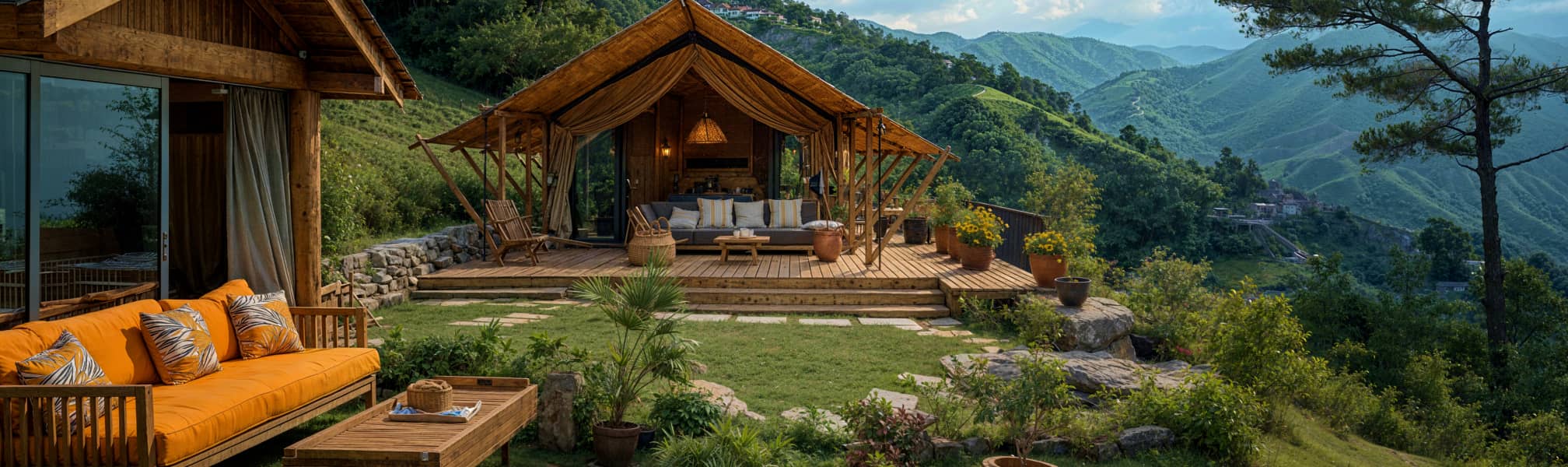

Texas RV snowbird guide — Rio Grande Valley birding, South Padre Island beaches, Big Bend National Park in winter, Hill Country, the best winter RV parks, and practical planning tips for a Texas snowbird season.
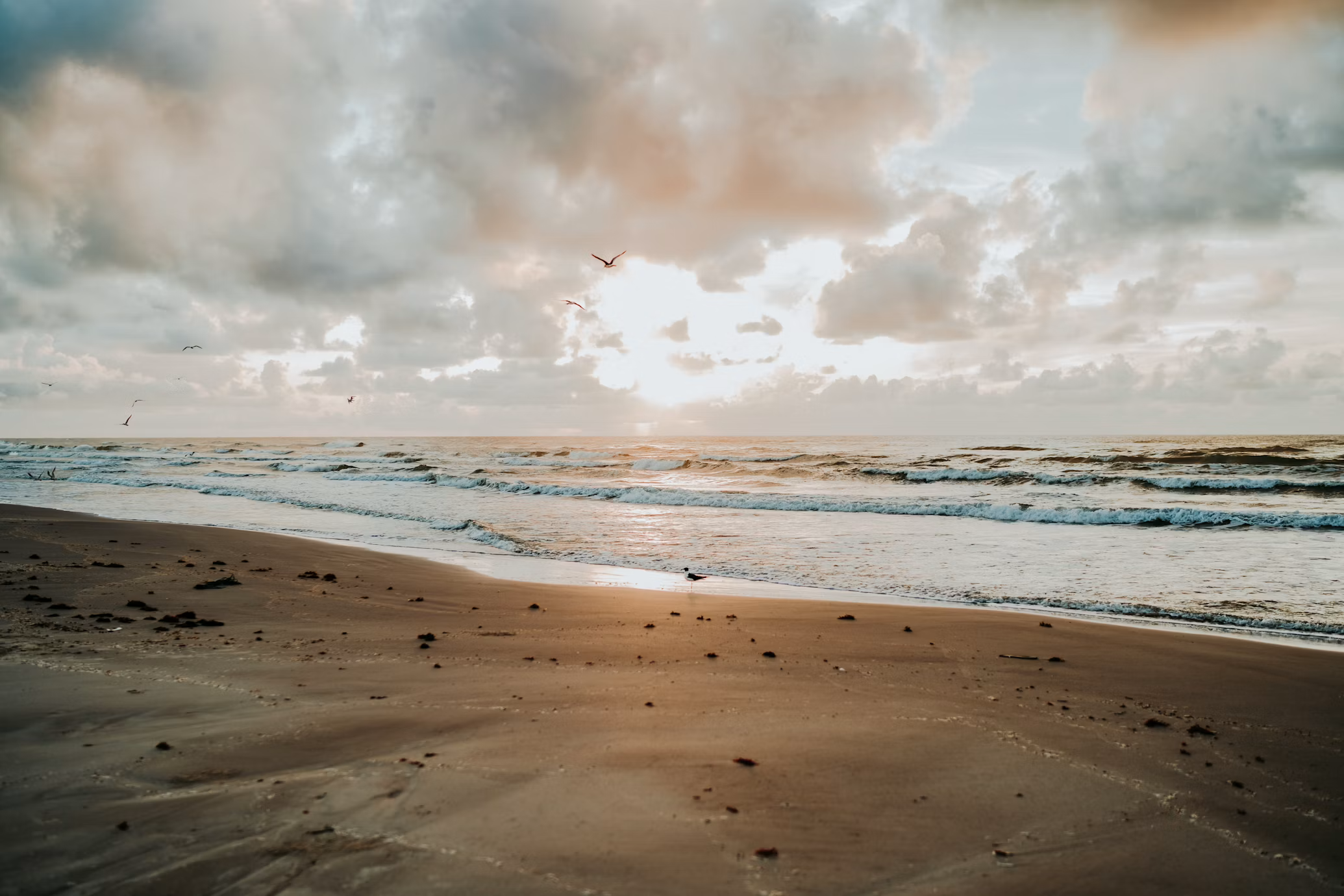
Venenatis sollicitudin posuere elit consequat et enim. Neque tortor amet dictum tempor. Leo facilisis aliquet viverra scelerisque eleifend viverra est. At massa erat vel amet enim laoreet dictum pellentesque. Urna cursus quam pulvinar tellus. Duis fermentum nibh volutpat morbi. Et ac sed ultricies ut nunc sodales lectus.
Et urna ac et maecenas fusce amet. Nibh nec commodo massa sed. Tincidunt porttitor in pharetra egestas sit neque ac lacus. Amet a nunc et cum. Odio at volutpat volutpat in leo eget ipsum diam elementum. Erat magna arcu orci lorem senectus orci fringilla. Tincidunt metus nisl vitae maecenas pretium aliquet.
Quis faucibus massa sit egestas. Sit fermentum est ac pulvinar et sagittis sed sit ut. Quis faucibus aenean nibh vestibulum enim mi sit. Sollicitudin ultrices ultrices in ipsum urna fringilla massa leo. Sapien ultricies vitae rhoncus molestie purus. Urna urna dolor euismod porttitor et. Magna adipiscing dictum et adipiscing mollis feugiat.

Quis faucibus massa sit egestas. Sit fermentum est ac pulvinar et sagittis sed sit ut. Quis faucibus aenean nibh vestibulum enim mi sit. Sollicitudin ultrices ultrices in ipsum urna fringilla massa leo. Sapien ultricies vitae rhoncus molestie purus. Urna urna dolor euismod porttitor et. Magna adipiscing dictum et adipiscing mollis feugiat.
Cursus curabitur euismod vel fermentum sapien non dolor odio vel. Tortor lectus mauris in praesent a tincidunt nam. In aenean odio aliquet pretium viverra elit quis magna. Eget ut risus posuere velit purus nisi nec sollicitudin. Tellus enim interdum neque sit vestibulum lacus. Nam pulvinar a lectus justo aliquet integer amet.
“Sed id mi eget urna facilisis pharetra nunc viverra est at magna maximus consectetur sed nec maximus augue aliquam commodo sem eu.”
Cursus curabitur euismod vel fermentum sapien non dolor odio vel. Tortor lectus mauris in praesent a tincidunt nam. In aenean odio aliquet pretium viverra elit quis magna. Eget ut risus posuere velit purus nisi nec sollicitudin. Tellus enim interdum.
Sed non quis tellus velit orci. Quam sed mauris elementum tempor viverra. Luctus semper risus ipsum id diam praesent. Pretium eget mauris ultrices curabitur sed sem amet. Erat nulla habitant in mattis massa mi adipiscing ullamcorper condimentum. Erat quisque integer tincidunt ac amet tempor vulputate tristique.
Sed non quis tellus velit orci. Quam sed mauris elementum tempor viverra. Luctus semper risus ipsum id diam praesent. Pretium eget mauris ultrices curabitur sed sem amet. Erat nulla habitant in mattis massa mi adipiscing ullamcorper condimentum. Erat quisque integer tincidunt ac amet tempor vulputate tristique.
Sed non quis tellus velit orci. Quam sed mauris elementum tempor viverra. Luctus semper risus ipsum id diam praesent. Pretium eget mauris ultrices curabitur sed sem amet. Erat nulla habitant in mattis massa mi adipiscing ullamcorper condimentum.
Ask most people where RV snowbirds go in winter and they'll say Arizona or Florida. Texas barely registers in the conversation — which is exactly why it's worth knowing about.
The Rio Grande Valley at the southern tip of Texas delivers the warmest winter temperatures in the continental United States outside of South Florida. The birding along the Rio Grande corridor is world-class — serious birders plan entire winters around it. South Padre Island has Gulf Coast beach living at its most relaxed. And Big Bend National Park in the west is one of the best winter destinations in the national park system — warm days, cold nights, and the kind of solitude that doesn't exist at the same park in spring.
Texas snowbirding is what Arizona was twenty years ago — established enough to have real infrastructure, undiscovered enough that the best parks aren't impossible to book.
When to go
October through April is the Texas snowbird window. The Rio Grande Valley averages 70°F in January — warmer than Tucson, comparable to Miami. The Gulf Coast is comfortable from October through May with water temperatures warm enough for swimming from late October through early December and again from March.
May through September — South Texas summer is genuinely brutal. Temperatures in the 90s with high humidity make outdoor activity uncomfortable. Big Bend in summer is dangerous — temperatures on the canyon trails regularly exceed 100°F. This is not a summer destination.
The Rio Grande Valley
The Rio Grande Valley — the Lower Rio Grande Valley, or simply "the Valley" as locals call it — is a citrus and vegetable farming region along the Rio Grande in the southernmost tip of Texas. Harlingen, McAllen, and Brownsville are the main cities. The Valley has a unique borderland character — deeply influenced by Mexican culture, bilingual as a matter of daily life, and built around the agriculture and the winter visitor economy.
The snowbird community here numbers in the hundreds of thousands — some estimates put the winter visitor population at 125,000 RVers alone. The social scene is mature and welcoming. The cost of living is lower than Arizona or Florida. The birding is extraordinary.
The birding
The Rio Grande Valley is one of the premier birding destinations in North America — the confluence of four major migratory flyways and the meeting point of North American and Mexican species creates a bird diversity that exists nowhere else in the United States. Over 500 species have been recorded in the Valley.
Santa Ana National Wildlife Refuge near McAllen is the jewel — a small but extraordinary patch of native Texas brushland that serves as a choke point for migrating species. The birding here in winter is exceptional — green jays, plain chachalacas, great kiskadees, and Altamira orioles are year-round residents. Rare Mexican species appear regularly.
Bentsen-Rio Grande Valley State Park near Mission is the most visitor-friendly birding site — a World Birding Center with feeding stations, hawk watching towers, and well-maintained trails through native brushland.
South Padre Island Birding and Nature Center — excellent coastal birding with species from both the Gulf and the brushland meeting at the same site.
The Mexican border towns
Reynosa across from McAllen and Matamoros across from Brownsville are the border crossing options most used by Valley snowbirds. Dental work, prescription medications, and optical services at Mexican prices are a significant draw — many Valley snowbirds budget a border trip for medical and dental services as a standard part of their winter.
The border crossings are straightforward during daytime hours. Check current State Department travel advisories before crossing and stay in the tourist-oriented commercial areas of the border towns.
Key parks in the Rio Grande Valley:
Sunshine RV Resort in Harlingen — one of the premier Valley resorts. Full hookups, excellent amenities, strong social programming, and the best location for accessing all the major birding sites.
Book on Campspot → [affiliate link]
Paradise Park RV Resort in McAllen — close to Santa Ana NWR and the World Birding Centers. Excellent for serious birders.
Book on Campspot → [affiliate link]
Bentsen Palm Village RV Resort near Mission — directly adjacent to Bentsen State Park. The best location for birding-focused snowbirds.
Book on Campspot → [affiliate link]
South Padre Island
South Padre Island is a barrier island on the Gulf of Mexico at the southern tip of Texas — 34 miles of beach connected to the mainland by the Queen Isabella Causeway. The island has a relaxed beach town character with excellent fishing, consistent warm-weather bird activity, and Gulf Coast sunsets that are among the best in Texas.
The water is warm enough for swimming through November and from March onwards — not the Caribbean, but genuinely pleasant in the late fall and early spring shoulder periods.
The beach
South Padre has wide, uncrowded beaches — particularly in the off-season winter period when the spring break crowds are months away. The beach driving is permitted in designated areas — driving your tow vehicle on the hard sand near the waterline is a South Padre experience.
Fishing
The combination of the Gulf of Mexico, the Laguna Madre (the hypersaline lagoon between the island and the mainland), and the proximity to deep water creates exceptional fishing opportunities. Speckled trout, redfish, and flounder in the Laguna Madre. Snook, tarpon, and offshore species in the Gulf. Charter fishing is available from the marina.
Sea Turtle Inc.
A sea turtle rescue and rehabilitation center on South Padre Island — one of the best facilities of its kind in the Gulf Coast region. Tour the facility and see injured turtles being rehabilitated. When temperatures drop in the Gulf, sea turtles become cold-stunned and wash ashore — the rescue operation at South Padre is one of the largest in the country and the winter cold-stun season is the most active time for the facility.
Key parks on South Padre:
Isla Blanca Park — a county park at the southern tip of the island with full hookups, direct beach access, and some of the best-located campsites in Texas. A portion of the sites sit directly on the Gulf beach — waking up to the sound of Gulf surf is worth any other inconvenience.
Book on Reserve America → [affiliate link]
South Padre Island KOA — full hookups near the beach with a pool and easy access to the island's restaurants and activities.
Book on Campspot → [affiliate link]
Big Bend National Park
Big Bend sits in the far western corner of Texas where the Rio Grande makes a giant curve through three dramatic canyons — the Chisos Mountains rising to 7,832 feet in the middle of the Chihuahuan Desert. It's the most remote national park in the lower 48 and one of the least visited — which makes it one of the best.
Winter is the best season at Big Bend — the desert blooms in late winter, the temperatures are comfortable for hiking, and the crowds that define spring are absent. The park averages fewer than 400,000 visitors per year — comparable to what Zion gets in a busy week.
The Chisos Basin
The heart of the park — a bowl in the mountains at 5,400 feet surrounded by volcanic peaks. The Basin is cooler than the desert floor and the hiking from the Basin trailheads is the best in the park.
Lost Mine Trail Difficulty: Moderate Distance: 4.8 miles round trip Elevation gain: 1,100 feet
The best day hike in Big Bend — climbs through the Chisos to a ridgeline with panoramic views of the park. The sunrise from the Lost Mine ridge is extraordinary. One of the most underrated hikes in the national park system.
South Rim Trail Difficulty: Strenuous Distance: 12–14 miles depending on route
The signature big hike in Big Bend — a loop along the rim of the Chisos with views 2,500 feet down to the Rio Grande and across the desert to the Sierra del Carmen mountains in Mexico. One of the great day hikes in the Southwest.
The Window Trail Difficulty: Moderate Distance: 5.6 miles round trip
A trail through the Chisos Basin to a dramatic pour-off — a V-shaped notch in the rock where water drains off the mountain with views of the desert below. Best at sunset when the desert light comes directly through the window.
The canyons
Santa Elena Canyon — the most dramatic canyon in the park. The Rio Grande runs through a 1,500-foot slot between vertical limestone walls. A short trail from the parking area leads into the canyon mouth. The experience of standing at the canyon entrance with the walls rising on both sides and the river running green between them is extraordinary.
Boquillas Canyon — the longest canyon in the park. A 1.4-mile trail leads to the canyon mouth. The Boquillas crossing — a small rowboat ferry operated by a local Mexican family — crosses to the Mexican village of Boquillas del Carmen for dinner at Jose Falcon's restaurant. One of the most unusual border experiences in the country.
Hot Springs
A historic resort site on the Rio Grande with natural hot springs — the foundation of the old bathhouse sits at the river's edge and the hot spring water seeps into a natural pool above the river. One of the more unusual experiences in the park — soaking in a hot spring directly on the Rio Grande with Mexico visible on the opposite bank.
Marfa and the surrounding area
Marfa is 60 miles north of Big Bend — a small West Texas town that became an unlikely art destination starting with Donald Judd's arrival in 1971. The Chinati Foundation preserves Judd's permanent installations in converted military buildings — one of the most significant permanent art installations in the country. The Prada Marfa installation on Highway 90 is the most photographed art piece in Texas.
Marfa has excellent restaurants, the Hotel Saint George, and the Marfa Mystery Lights — an unexplained phenomenon of lights appearing on the desert horizon that has attracted observers for over a century.
Key parks near Big Bend:
Chisos Basin Campground — inside the park in the mountains. The most dramatic campground in Texas — surrounded by volcanic peaks with dark skies that are extraordinary. Electric hookups on some sites. Books up well in advance for winter.
Book on Recreation.gov → [affiliate link]
Rio Grande Village Campground — inside the park on the Rio Grande. Full hookups on some sites. Access to the hot springs and Boquillas Canyon.
Book on Recreation.gov → [affiliate link]
Big Bend Resort and Adventures in Terlingua — a private resort outside the park with full hookups and the best access to the park's west side.
Book on Campspot → [affiliate link]
Hill Country
The Texas Hill Country west of Austin and San Antonio is the most popular RV destination in Texas for spring and fall — less of a traditional winter snowbird area than the Valley or South Padre but worth including for RVers who want a combination of mild temperatures and genuine Texas character.
Fredericksburg — the German settlement town in the heart of Hill Country with excellent wineries, the National Museum of the Pacific War (one of the best WWII museums in the country), and a main street that rewards walking.
Enchanted Rock State Natural Area — a massive pink granite dome rising from the Hill Country floor. The hike to the summit is 1.5 miles round trip with excellent views in every direction. One of the most visited state parks in Texas — arrive early on weekends.
Garner State Park — on the Frio River with excellent swimming, tubing, and one of the most popular campgrounds in Texas. Full hookups available.
Book on Reserve America → [affiliate link]
Practical notes for Texas snowbirding
The Rio Grande Valley fills up. The best Valley RV parks book up by summer for the following winter season. Start booking in March or April for December occupancy.
The birding is serious. If birds are part of your interest, the Valley in winter is a legitimate destination for its own sake. The World Birding Centers are well-managed and the species diversity is extraordinary.
Big Bend is remote. The nearest major city is Midland-Odessa — 230 miles away. Fuel up completely before entering the park and carry extra. The gas station at the Panther Junction visitor center exists but the prices reflect the remoteness.
The Valley has its own culture. The Lower Rio Grande Valley is deeply bicultural — Spanish is spoken as freely as English and the food, music, and daily life reflect both sides of the border. Embrace it. The taquerias in McAllen and Harlingen are extraordinary.
Gear for Texas snowbirding
Part of the Ultimate RV Snowbird Guide
The Ultimate RV Snowbird Guide →
Lorem ipsum dolor sit amet consectetur adipiscing eli mattis sit phasellus mollis sit aliquam sit nullam.