Subscribe to our newsletter today
Lorem ipsum dolor sit amet consectetur adipiscing eli mattis sit phasellus mollis sit aliquam sit nullam.
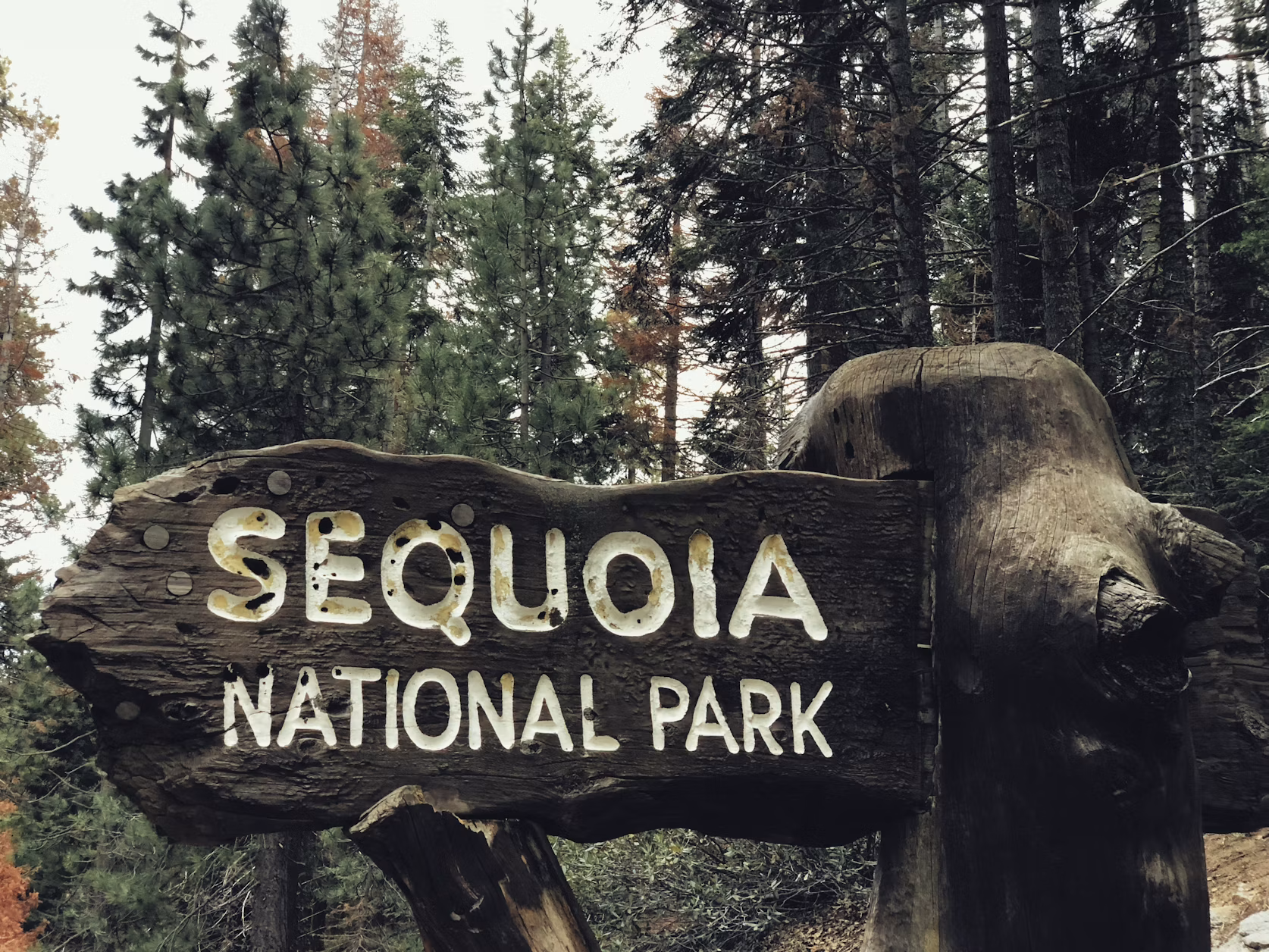
Best things to do at Sequoia and Kings Canyon National Parks with an RV — General Sherman Tree, Congress Trail, Moro Rock, Kings Canyon Scenic Byway, Crystal Cave, and complete RV size restriction guide.
Venenatis sollicitudin posuere elit consequat et enim. Neque tortor amet dictum tempor. Leo facilisis aliquet viverra scelerisque eleifend viverra est. At massa erat vel amet enim laoreet dictum pellentesque. Urna cursus quam pulvinar tellus. Duis fermentum nibh volutpat morbi. Et ac sed ultricies ut nunc sodales lectus.
Et urna ac et maecenas fusce amet. Nibh nec commodo massa sed. Tincidunt porttitor in pharetra egestas sit neque ac lacus. Amet a nunc et cum. Odio at volutpat volutpat in leo eget ipsum diam elementum. Erat magna arcu orci lorem senectus orci fringilla. Tincidunt metus nisl vitae maecenas pretium aliquet.
Quis faucibus massa sit egestas. Sit fermentum est ac pulvinar et sagittis sed sit ut. Quis faucibus aenean nibh vestibulum enim mi sit. Sollicitudin ultrices ultrices in ipsum urna fringilla massa leo. Sapien ultricies vitae rhoncus molestie purus. Urna urna dolor euismod porttitor et. Magna adipiscing dictum et adipiscing mollis feugiat.

Quis faucibus massa sit egestas. Sit fermentum est ac pulvinar et sagittis sed sit ut. Quis faucibus aenean nibh vestibulum enim mi sit. Sollicitudin ultrices ultrices in ipsum urna fringilla massa leo. Sapien ultricies vitae rhoncus molestie purus. Urna urna dolor euismod porttitor et. Magna adipiscing dictum et adipiscing mollis feugiat.
Cursus curabitur euismod vel fermentum sapien non dolor odio vel. Tortor lectus mauris in praesent a tincidunt nam. In aenean odio aliquet pretium viverra elit quis magna. Eget ut risus posuere velit purus nisi nec sollicitudin. Tellus enim interdum neque sit vestibulum lacus. Nam pulvinar a lectus justo aliquet integer amet.
“Sed id mi eget urna facilisis pharetra nunc viverra est at magna maximus consectetur sed nec maximus augue aliquam commodo sem eu.”
Cursus curabitur euismod vel fermentum sapien non dolor odio vel. Tortor lectus mauris in praesent a tincidunt nam. In aenean odio aliquet pretium viverra elit quis magna. Eget ut risus posuere velit purus nisi nec sollicitudin. Tellus enim interdum.
Sed non quis tellus velit orci. Quam sed mauris elementum tempor viverra. Luctus semper risus ipsum id diam praesent. Pretium eget mauris ultrices curabitur sed sem amet. Erat nulla habitant in mattis massa mi adipiscing ullamcorper condimentum. Erat quisque integer tincidunt ac amet tempor vulputate tristique.
Sed non quis tellus velit orci. Quam sed mauris elementum tempor viverra. Luctus semper risus ipsum id diam praesent. Pretium eget mauris ultrices curabitur sed sem amet. Erat nulla habitant in mattis massa mi adipiscing ullamcorper condimentum. Erat quisque integer tincidunt ac amet tempor vulputate tristique.
Sed non quis tellus velit orci. Quam sed mauris elementum tempor viverra. Luctus semper risus ipsum id diam praesent. Pretium eget mauris ultrices curabitur sed sem amet. Erat nulla habitant in mattis massa mi adipiscing ullamcorper condimentum.
Sequoia and Kings Canyon sit side by side in the southern Sierra Nevada — two parks administered jointly, experienced together, and consistently overshadowed by Yosemite to the north despite containing landscapes that are arguably more extraordinary.
Sequoia protects the largest living things on earth. Kings Canyon protects one of the deepest canyons in North America — deeper at its deepest point than the Grand Canyon. The combination of the two parks in one visit gives you ancient giants standing in cathedral groves and a river canyon that drops away below you into the heart of the Sierra.
And almost no one compared to Yosemite. That's the quiet advantage of coming here.
Getting there with an RV
This is the most important thing to know about Sequoia before you arrive:
The Generals Highway connecting the Ash Mountain entrance to Giant Forest has a 22-foot vehicle length restriction on the section between the park boundary and the Giant Forest Museum. RVs over 22 feet cannot drive this section.
Larger RVs must enter from the Big Stump entrance on Highway 180 from Fresno — this approach bypasses the restricted section entirely and gives you access to both parks from the north. It's a longer drive from most directions but it's the only option for rigs over 22 feet.
Check current road conditions and restrictions at nps.gov/seki before you arrive — the restriction is strictly enforced.
Giant Forest — The heart of Sequoia
Giant Forest is the centerpiece of Sequoia — a plateau at 6,400 feet containing the densest concentration of giant sequoias in the world. The trees here are not the tallest in the world — coast redwoods are taller — but they are the largest by volume. The sheer mass of a mature giant sequoia is something that photographs cannot convey.
General Sherman Tree
The largest living thing on earth by volume — 274 feet tall, 36 feet in diameter at the base, 2,200 years old, and containing enough wood to build 40 five-room houses. A 2-mile round trip trail leads from the parking area through the upper grove to the tree.
Standing at the base of the General Sherman resets your sense of scale. The lower branches are larger in diameter than most mature trees. The bark is deeply furrowed and cinnamon red — fireproof by design, the sequoia's evolutionary response to a landscape that burns regularly.
The tree is alive. It's still growing. It adds enough wood each year to make a 60-foot tall tree of normal proportions.
Congress Trail
A 2-mile loop from the General Sherman through the densest part of the Giant Forest — the President, the Chief Sequoyah, the General Lee, McKinley Tree, and dozens of other named and unnamed giants. The forest floor under the sequoias is open and park-like — the trees shade out competition and the understory is clear. Walking through the Congress Trail feels like walking through a natural cathedral.
One of the most extraordinary short walks in the national park system. Do this trail.
Giant Forest Museum
An excellent museum at the center of Giant Forest documenting sequoia ecology and the history of the park. The exhibits on sequoia fire ecology — the trees need fire to reproduce and the park now conducts prescribed burns to maintain the grove — are particularly good. Free with park admission.
Moro Rock
A granite dome rising above the Giant Forest with a trail of 350 stone steps to the summit. Panoramic views of the Great Western Divide — a dramatic sub-range of the Sierra with peaks over 12,000 feet — and the surrounding sequoia forest below.
Distance: 0.5 miles round trip Difficulty: Moderate — steep stairs
One of the best accessible viewpoints in the park. Go at sunset when the divide catches the last light.
Crescent Meadow
A large meadow at the edge of Giant Forest — "the gem of the Sierra" according to John Muir. The Tharp's Log cabin — a historic cabin built inside a hollow fallen sequoia — is accessible by a short trail from the meadow. The meadow is excellent for wildflowers in late spring and for watching black bears in the early morning.
High Sierra Trail
One of the great long-distance trails in the Sierra Nevada begins at Crescent Meadow and runs 72 miles east to Mount Whitney. Day hikers can walk the first few miles through the sequoia grove and into the backcountry for excellent views of the Great Western Divide before turning around.
Crystal Cave
A marble cave inside the park accessible by guided tour only. Stalactites, stalagmites, cave curtains, and unusual helictite formations in a cave system carved by an underground river over millions of years.
Tours run from mid-May through late November — 45-minute to 90-minute options available. Book well in advance at recreation.gov — tours sell out regularly in summer.
The cave is a constant 48°F year-round. Bring a jacket regardless of outside temperature.
The road to Crystal Cave has vehicle length restrictions — check current limits before driving. Most passenger cars and smaller RVs handle it without issue.
Tunnel Log
A fallen sequoia across the Crescent Meadow Road with a tunnel cut through it for vehicle passage. Cars can drive through — RVs and larger vehicles use the bypass. Worth stopping to walk through on foot and appreciate the scale.
Kings Canyon — The drive into the deep
Kings Canyon Scenic Byway — Highway 180 — descends from the Grant Grove area into Kings Canyon proper, dropping 2,600 feet from the sequoia forests into one of the deepest river canyons in North America.
The drive is one of the great scenic drives in California. The canyon walls rise progressively higher as you descend — by the time you reach the canyon floor the granite walls tower 8,000 feet above on both sides. The Kings River runs clear and cold at the bottom.
The road ends at Road's End — there is no through route. You drive in and drive back out the same way. Most RVs handle the canyon drive without issue.
Zumwalt Meadows
A flat meadow on the canyon floor surrounded by vertical granite walls — one of the most dramatic valley floor landscapes in California. The loop trail around the meadow is 1.5 miles and flat. The walls above make the meadow feel like a miniature Yosemite with almost no visitors.
Difficulty: Easy Distance: 1.5 miles loop
Roaring River Falls
A short walk from a pullout on the Kings Canyon Scenic Byway to a waterfall pouring into a granite bowl. One of the best accessible waterfalls in the park. Best in spring when snowmelt is at full volume.
Distance: 0.4 miles round trip
Road's End
The end of the paved road at 5,035 feet — the trailhead for the backcountry. Day hikers can continue up the Paradise Valley Trail along the Kings River for excellent canyon scenery. The river swimming in the pools along this section is excellent in summer.
Grant Grove
The General Grant Tree — the second largest tree in the world and the only living thing designated a National Shrine by an act of Congress in 1956. President Eisenhower designated it the Nation's Christmas Tree. The short loop trail visits the General Grant, the Fallen Monarch (a hollow fallen sequoia that served as a cavalry stable in the 1890s), and the Gamlin Cabin from 1872.
Distance: 0.6 miles loop Difficulty: Easy
The grove has a different character from Giant Forest — more intimate, with the trees growing closer together and the understory denser. The General Grant from the front is more visually dramatic than the General Sherman despite being slightly smaller.
Big Stump Trail
A 2-mile loop through the site of historic 19th century logging — the stumps of sequoias cut in the 1880s are still there, many of them larger in diameter than a living tree you've ever seen. A sobering and instructive walk that gives context for why the parks exist.
Lodgepole Village
The main services hub in Sequoia — market, deli, gift shop, and the Lodgepole Visitor Center with excellent park interpretation. Stock provisions here before heading to Giant Forest or Crystal Cave.
Practical notes
The 22-foot restriction is the most important logistical fact about Sequoia. If you're in a rig over 22 feet and you arrive at the Ash Mountain entrance planning to drive to Giant Forest, you will be turned around. Enter from the north via Highway 180.
Altitude. Giant Forest sits at 6,400 feet and the Kings Canyon canyon drive ends at 5,000 feet. The approach from Fresno climbs quickly — altitude sickness is uncommon but possible for visitors arriving directly from sea level. Drink extra water on the first day.
Bears are very active. Sequoia has one of the highest black bear densities in the Sierra. Use food storage at all campgrounds without exception. Bears in Sequoia are bold and experienced — they have learned to recognize coolers, grocery bags, and anything that looks like it might contain food.
Crowds are manageable. Sequoia and Kings Canyon together receive about 1.5 million visitors per year — a fraction of Yosemite. The Giant Forest area gets crowded on summer weekends but nothing like the Yosemite Valley situation. You can generally find parking and hike without the trail congestion that defines busy Yosemite days.
The park road closes in winter. The Generals Highway and the Kings Canyon Scenic Byway close after significant snowfall. The parks are open year-round but vehicle access to the main areas is limited from roughly November through April. Check current road conditions at nps.gov/seki.
Where to stay
Lodgepole Campground — the main campground in Sequoia near Giant Forest. Some hookups available. Books up well in advance on Recreation.gov for summer.
Sunset Campground — at Grant Grove near the Kings Canyon entrance. Electric hookups. Good base for the Kings Canyon drive and Grant Grove.
Dorst Creek Campground — a large campground north of Giant Forest with good access to the northern sequoia groves. Electric hookups on some loops.
See the Central California Road Trip guide for the full campground strategy.
The Ultimate Central California RV Road Trip →
Gear for Sequoia & Kings Canyon
Part of the Central California RV Road Trip
The Ultimate Central California RV Road Trip →
Lorem ipsum dolor sit amet consectetur adipiscing eli mattis sit phasellus mollis sit aliquam sit nullam.